When Does Nature Need a Break? Learn to Read the Signs

When Does Nature Need a Break? Learn to Read the Signs
Nature is a living system where everything is connected—from the tiniest insects to the largest mammals. But even nature needs time to rest. As more people head outdoors to hike, camp, and explore, it’s becoming increasingly important to recognize when the natural world needs space. Learning to read these signs isn’t just about being considerate—it’s about deepening your connection to the rhythms of the land.
Spring and Breeding Season – When Life Awakens, but Needs Quiet
Spring is a season of renewal. Birds build nests, deer give birth to fawns, and countless animals devote their energy to raising young. During this time, disturbances can have serious consequences.
If you notice birds calling loudly or circling nervously, it’s a sign you’re too close to a nest. Step back quietly and avoid lingering for photos. The same goes for a fawn lying alone in the grass—its mother is almost always nearby, and the best thing you can do is leave it undisturbed.
Many U.S. parks and wildlife refuges close certain trails or beaches during nesting season. These restrictions aren’t meant to keep people out—they’re there to give wildlife the peace they need to thrive.
Summer’s Rush – Respecting Nature’s Rhythm
Summer brings abundance. Insects buzz, birds feed their young, and wildflowers bloom across meadows and mountainsides. It’s also the season when outdoor recreation peaks, and fragile ecosystems can easily become stressed.
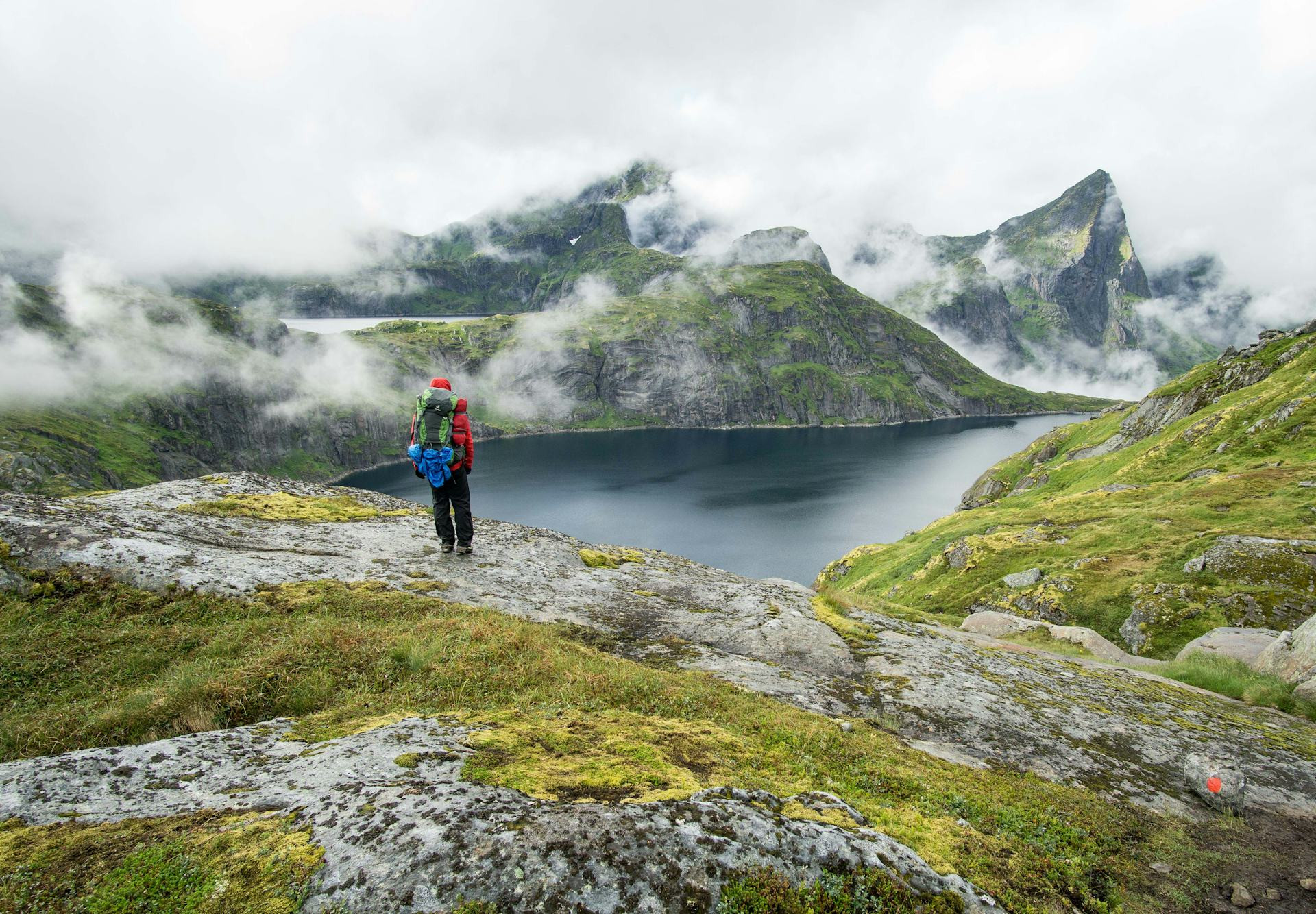
Stick to marked trails, especially in alpine meadows, dunes, or wetlands where vegetation is delicate. Avoid setting up camp on thin or damp ground, and pay attention to signs marking nesting areas for shorebirds or turtles—especially along coastal regions and lakeshores.
A good rule of thumb: if a place feels untouched or unusually quiet, move gently and minimize your impact. That stillness is often a sign that nature is at work.
Læs også:

Fall – Nature’s Time to Prepare for Rest
Autumn is a time of transition. Animals gather food, birds migrate south, and plants prepare for winter dormancy. It’s a season when nature needs calm—not because it’s fragile in the same way as spring, but because energy is being conserved for survival.
Avoid disturbing animals that are feeding or storing food, and let fallen leaves and branches remain where they land. They provide shelter for insects and fungi, which in turn support birds and small mammals. If you forage for mushrooms or berries, do so sparingly—nature needs its share too.
Winter – The Season of Stillness
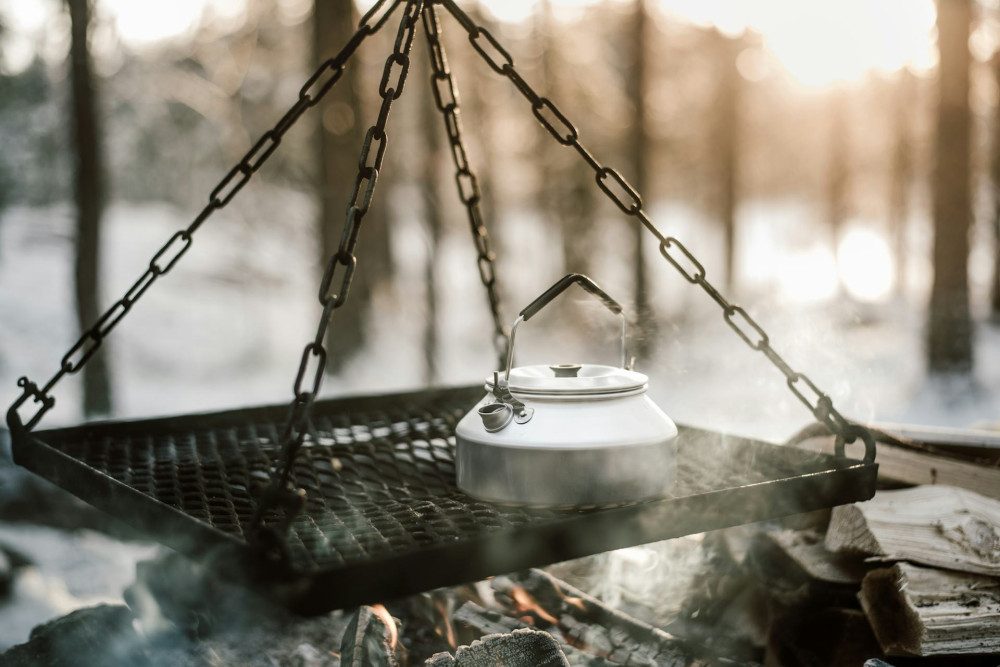
Winter is nature’s pause. Many animals hibernate, and others use every bit of energy just to stay warm. Even small disturbances can cost them dearly.
If you encounter a resting deer or a bird sheltering from the wind, keep your distance. Avoid walking too close to thickets or den sites, and resist the urge to feed wild animals—human food can make them dependent and disrupt their natural behavior.
Winter also offers a special kind of peace for visitors. Moving quietly through a snow-covered forest without leaving tracks is one of the most respectful ways to experience nature’s rest.
How to Read Nature’s Signals
Understanding when nature needs a break starts with awareness. Here are a few signs to watch for:
- Agitated wildlife – Birds calling loudly or animals fleeing mean you’re too close.
- Posted signs or barriers – Respect closures and restricted zones, even if they seem temporary.
- Quiet, untouched areas – If there are no clear trails or the vegetation is dense, it’s best to stay out.
- Animal tracks or nests – Fresh prints, droppings, or burrows are signs to give space.
The more you learn to read these cues, the richer your outdoor experiences become. It’s not about keeping your distance—it’s about moving in harmony with the natural world.
Finding Balance Between Enjoyment and Respect
Nature is meant to be enjoyed, but it also needs protection. When you explore with care, you become part of the balance that allows both people and wildlife to flourish. Giving nature a break doesn’t mean giving up adventure—it means making room for deeper, more meaningful encounters with the world around you.
Læs også: