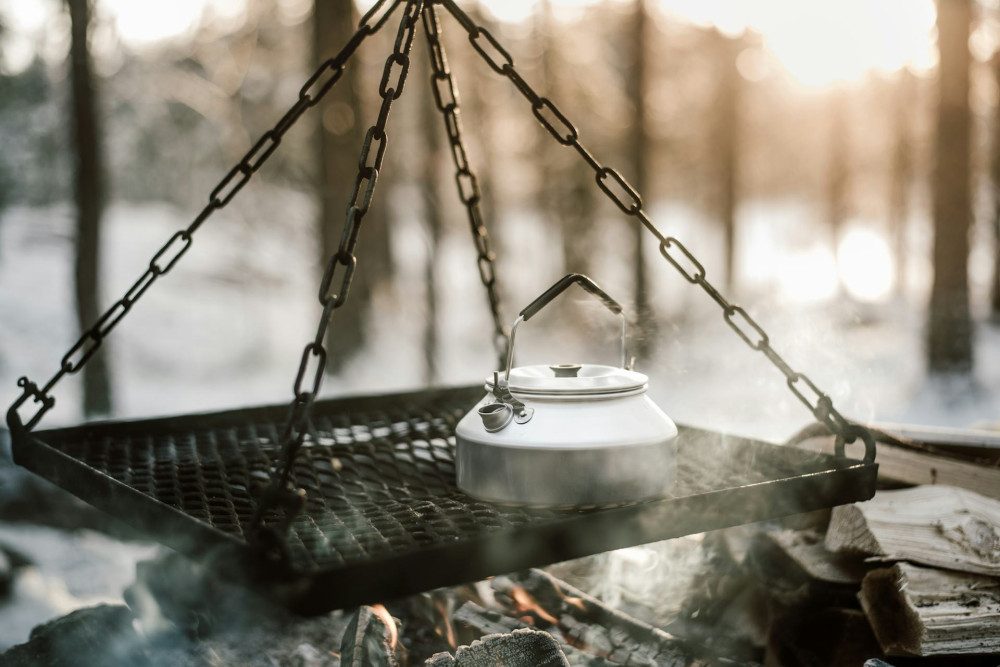
Capture Winter’s Beauty: How to Take Atmospheric Photos of Snow and Ice


Capture Winter’s Beauty: How to Take Atmospheric Photos of Snow and Ice
When winter wraps the landscape in white, the world transforms into something quiet and magical. The light softens, colors fade into subtle tones, and even the smallest details—a frosted leaf, a snowflake on a branch—take on a special kind of beauty. For photographers, whether beginners or seasoned pros, winter offers a rare chance to capture moods and textures that no other season provides. Here’s how to take atmospheric photos of snow and ice and make the most of winter’s unique light.
Understand Winter Light
Winter light behaves differently than summer light. The sun sits lower in the sky, creating a softer, warmer glow—especially in the early morning and late afternoon. This gentle light is perfect for landscapes, where you can highlight the texture of snow and the long, dramatic shadows.
- Use the golden hours – Shoot around sunrise and sunset when the light is low and warm.
- Take advantage of overcast days – Cloudy skies create even, diffused light that’s ideal for portraits in the snow.
- Avoid harsh midday sun – It can make snow look flat and overexposed.
Snow often confuses your camera’s light meter, leading to underexposed images. Try increasing your exposure compensation by +0.5 to +1 stop so the snow appears white, not gray.
Capture the Details in the Cold
Winter photography isn’t just about sweeping landscapes. The small details can be just as captivating: ice crystals on a window, frost on pine needles, or snowflakes resting on a scarf.
Use your camera’s macro mode or a macro lens if you have one, and get close to your subject. Keep your hands steady—or better yet, use a tripod—since even tiny movements can blur the image. A wide aperture (f/2.8–f/5.6) will create a soft background blur that makes your subject stand out beautifully.
Dress Yourself and Your Gear for the Cold
Cold and moisture can challenge both you and your equipment. Dress in layers so you can move freely, and wear gloves that let you operate your camera without freezing your fingers.
- Keep batteries warm – Cold drains them quickly. Store a spare battery in an inside pocket.
- Prevent condensation – When moving from cold to warm environments, moisture can form inside your camera. Place it in a sealed plastic bag before going indoors so it warms up gradually.
- Use a tripod – Especially helpful for long exposures or low-light conditions.
Play with Composition and Contrast
Snow and ice naturally create lines, shapes, and patterns you can use in your composition. A blank field of snow can look flat, but adding a focal point—a tree, a person, or a trail of footprints—gives your image depth and direction.
Think in contrasts: dark branches against white snow, a bright red jacket in a pale landscape, or the cool blue of ice against the warm glow of sunset. These visual opposites bring energy and balance to your photos.
Capture Motion and Mood
Winter isn’t always still—it’s full of movement and life. Falling snow, kids sledding, or steam rising from a mug of cocoa can add storytelling and emotion to your shots.
To freeze falling snowflakes, use a fast shutter speed (1/500 second or faster). If you want to show the gentle motion of snow drifting down, experiment with slower shutter speeds and a tripod for stability.
Edit with a Light Touch
Post-processing can enhance your winter photos, but subtlety is key. Adjust the white balance so the snow looks natural—neither too blue nor too gray. A slight boost in contrast and clarity can bring out the texture of ice and snow, while keeping saturation low preserves the calm, quiet feeling of winter.
If you shoot in RAW format, you’ll have more flexibility to fine-tune exposure and color without losing quality.
Læs også:

Make Winter Your Creative Playground
Winter may seem harsh, but it rewards patience and curiosity. The key is to get outside, even when it’s cold, and look for beauty in simplicity. A frozen lake, a snow-covered forest, or a single footprint in fresh snow—all can become atmospheric images if you pay attention to light and detail.
So grab your camera, breathe in the crisp air, and capture the poetry of winter before it melts away.
Læs også: