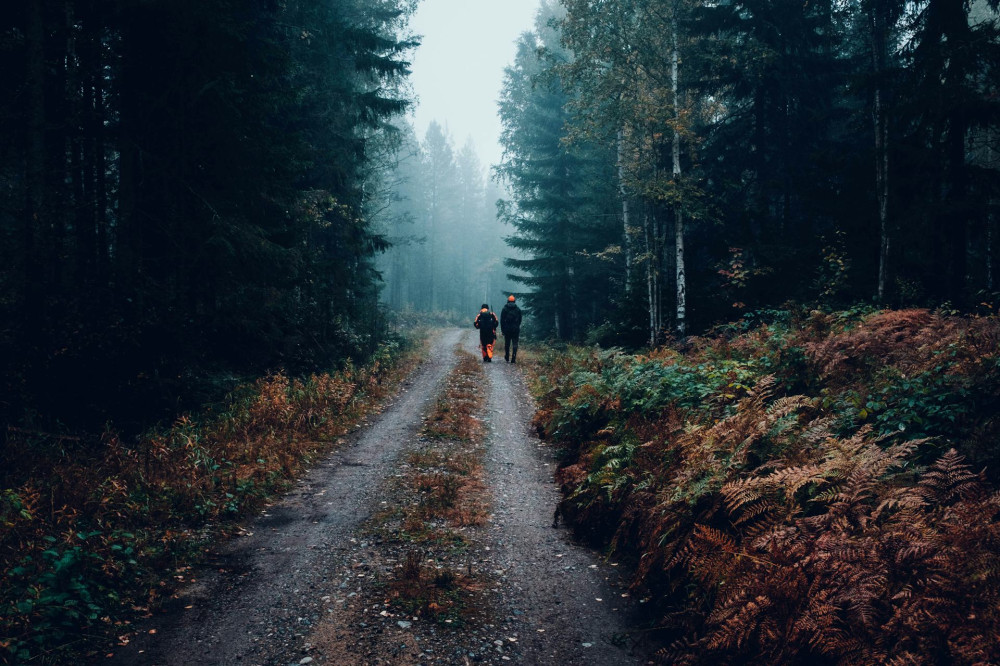
The Role of Hunting Today: How We Preserve the Tradition in a Modern World


The Role of Hunting Today: How We Preserve the Tradition in a Modern World
Hunting has been part of American life since long before the founding of the nation. What began as a means of survival and self-reliance has evolved into a tradition that connects people to the land, to wildlife, and to one another. In a time when most Americans live in cities and experience nature through screens, hunting may seem like a relic of the past. Yet it continues to play a vital role — as a conservation tool, a cultural heritage, and a way to maintain a direct relationship with the natural world. The question is how we can preserve and renew this tradition in a modern, fast-changing society.
From Survival to Stewardship
For early settlers and Indigenous peoples alike, hunting was essential for food, clothing, and protection. Today, it is rarely about survival, but rather about stewardship — caring for wildlife populations and the ecosystems they depend on. Modern hunters see themselves as part of a larger conservation effort. Through license fees, habitat restoration projects, and wildlife management programs, hunters contribute billions of dollars each year to preserving America’s natural resources.
Responsible hunting is not about taking as much as possible; it’s about understanding the balance between species, habitat, and human activity. Ethical hunters respect the animal, the law, and the land. They recognize that their actions have consequences and that sustainable hunting ensures healthy wildlife populations for generations to come.
Hunting as a Way to Understand Nature
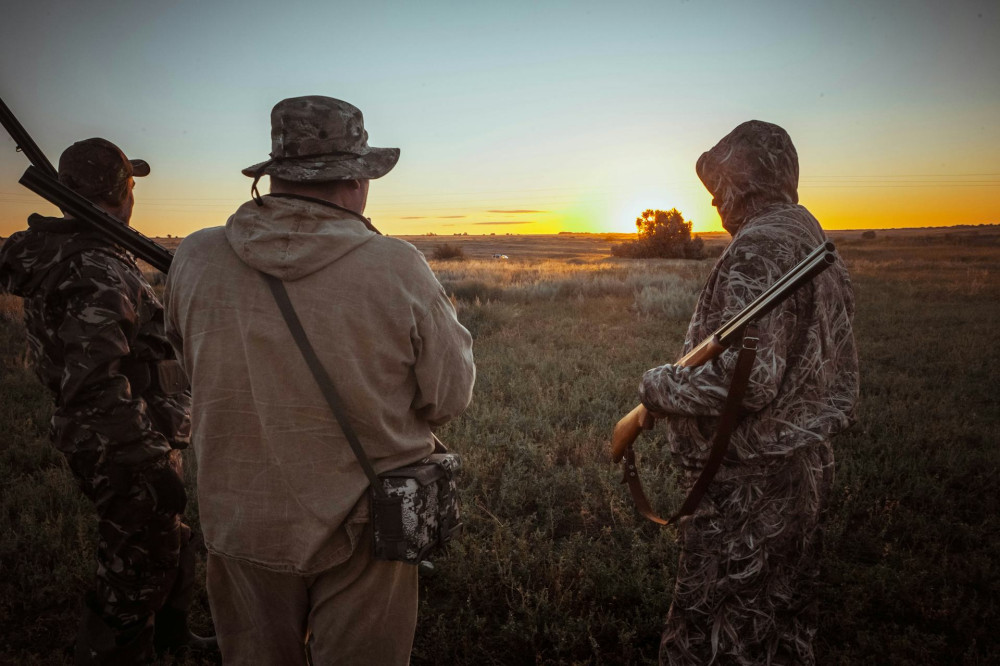
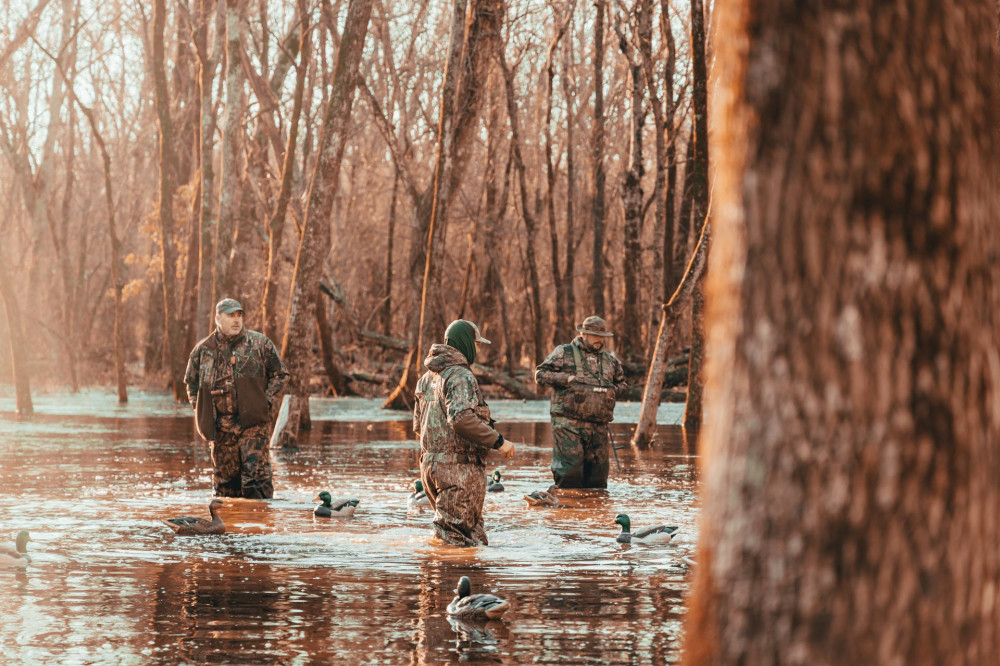
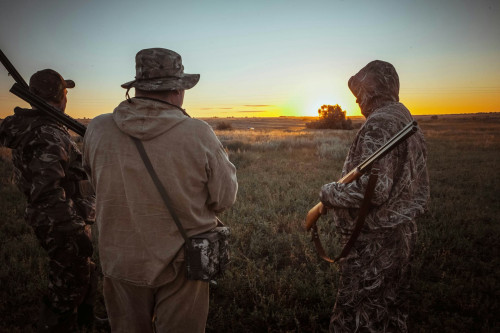
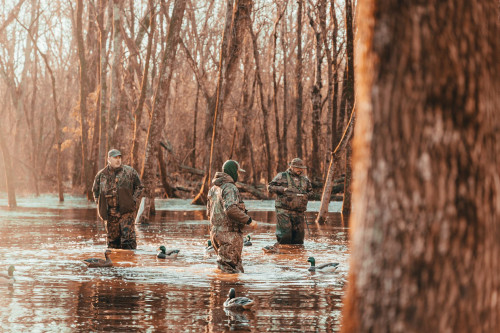
For many, hunting is a way to reconnect with the rhythms of the natural world. It requires patience, observation, and humility. Hunters learn to read tracks, wind direction, and animal behavior — skills that foster a deep awareness of the environment. In an age of constant connectivity, the quiet of a dawn in the woods or the stillness of a duck blind offers something rare: presence.
This connection to nature is one of hunting’s greatest values today. It reminds us that we are part of the ecosystem, not separate from it. Many hunters describe their time outdoors as meditative — a way to slow down, reflect, and find balance in a world that often moves too fast.
Passing the Tradition to New Generations
One of the biggest challenges facing hunting in America is engaging younger generations. While interest in outdoor recreation is growing, fewer young people have access to hunting land or mentors who can teach them the skills and ethics of the sport. Programs like “R3” (Recruitment, Retention, and Reactivation) and youth hunting initiatives are helping bridge that gap by introducing newcomers to safe, responsible hunting.
Local hunting clubs, conservation groups, and family traditions all play a role in keeping the culture alive. It’s important to show that hunting isn’t just about trophies or competition — it’s about food, conservation, and community. Many young hunters today are drawn to the idea of harvesting their own meat, knowing exactly where it comes from, and preparing it with care. This connection between field and table aligns with broader movements toward sustainability and local food.
Læs også:
Technology and Ethics: Finding a New Balance
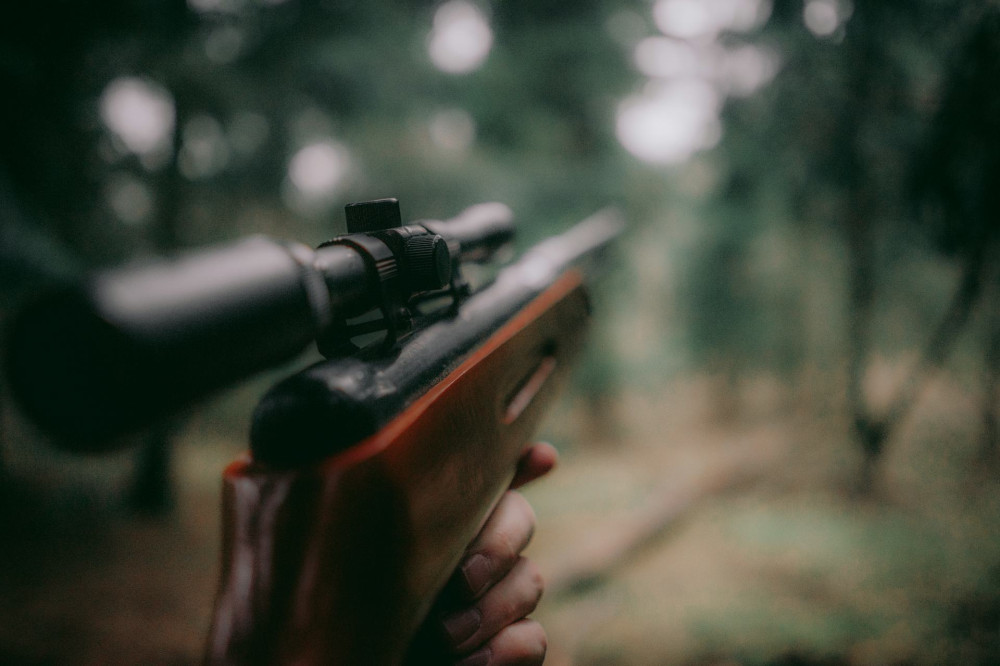
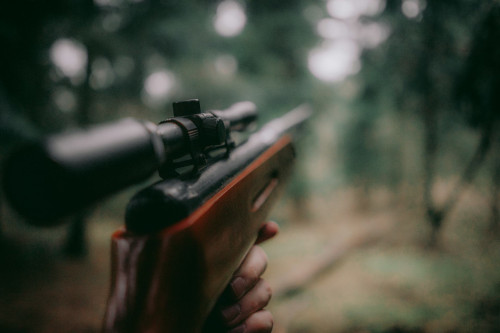
Technology has transformed nearly every aspect of modern life, and hunting is no exception. Trail cameras, GPS mapping, and advanced optics make scouting and tracking more efficient. But these tools also raise questions: When does technology enhance the experience, and when does it take away from the challenge and authenticity of the hunt?
Many hunters choose a balanced approach — using technology to improve safety and knowledge while maintaining respect for fair chase principles. The essence of hunting lies not in convenience, but in skill, patience, and understanding the natural world. Preserving that essence is key to keeping the tradition meaningful.
The Future of Hunting: Communication and Community
For hunting to thrive in the future, openness and communication are essential. Many Americans who don’t hunt may not understand its role in conservation or its ethical foundations. Hunters can help bridge that gap by sharing their experiences, explaining their choices, and demonstrating respect for wildlife and the environment.
Public education, storytelling, and community engagement can help shift perceptions. When people see that hunting supports conservation, provides healthy food, and fosters a deep respect for nature, they are more likely to appreciate its place in modern society.
A Living Tradition in a Changing World
Hunting in America today is not what it was a century ago, but its core remains the same: a connection between people, wildlife, and the land. By blending tradition with modern values — sustainability, ethics, and community — hunting can continue to be a meaningful part of American life.
Preserving the tradition doesn’t mean clinging to the past. It means allowing it to evolve, so that future generations can find in it what so many have before: a sense of responsibility, peace, and belonging in the great outdoors.
Læs også: