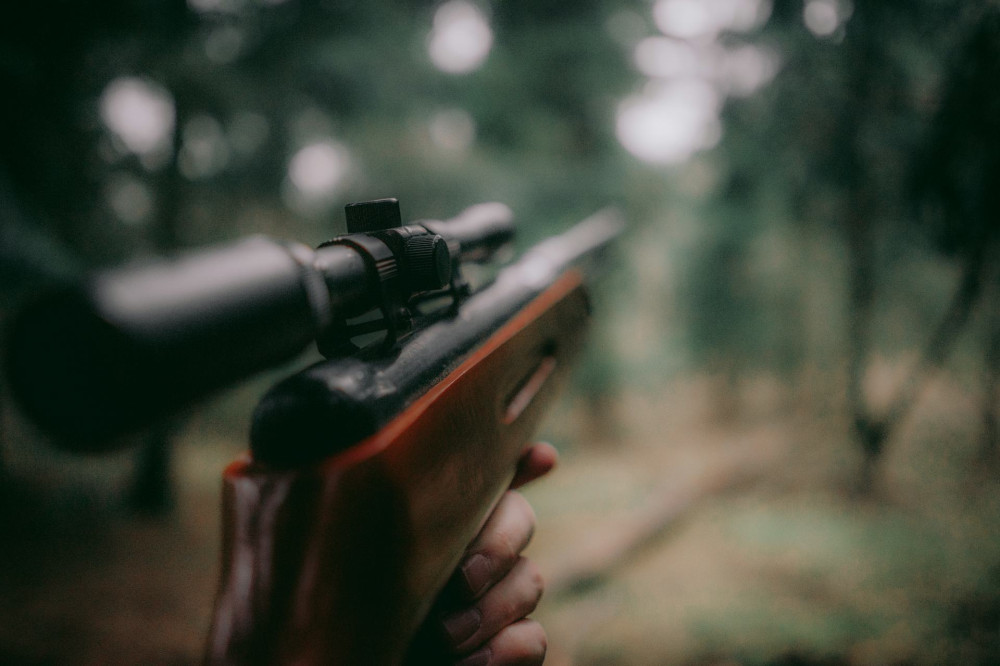
Gun Maintenance Before and After Hunting Season – Step-by-Step Guide

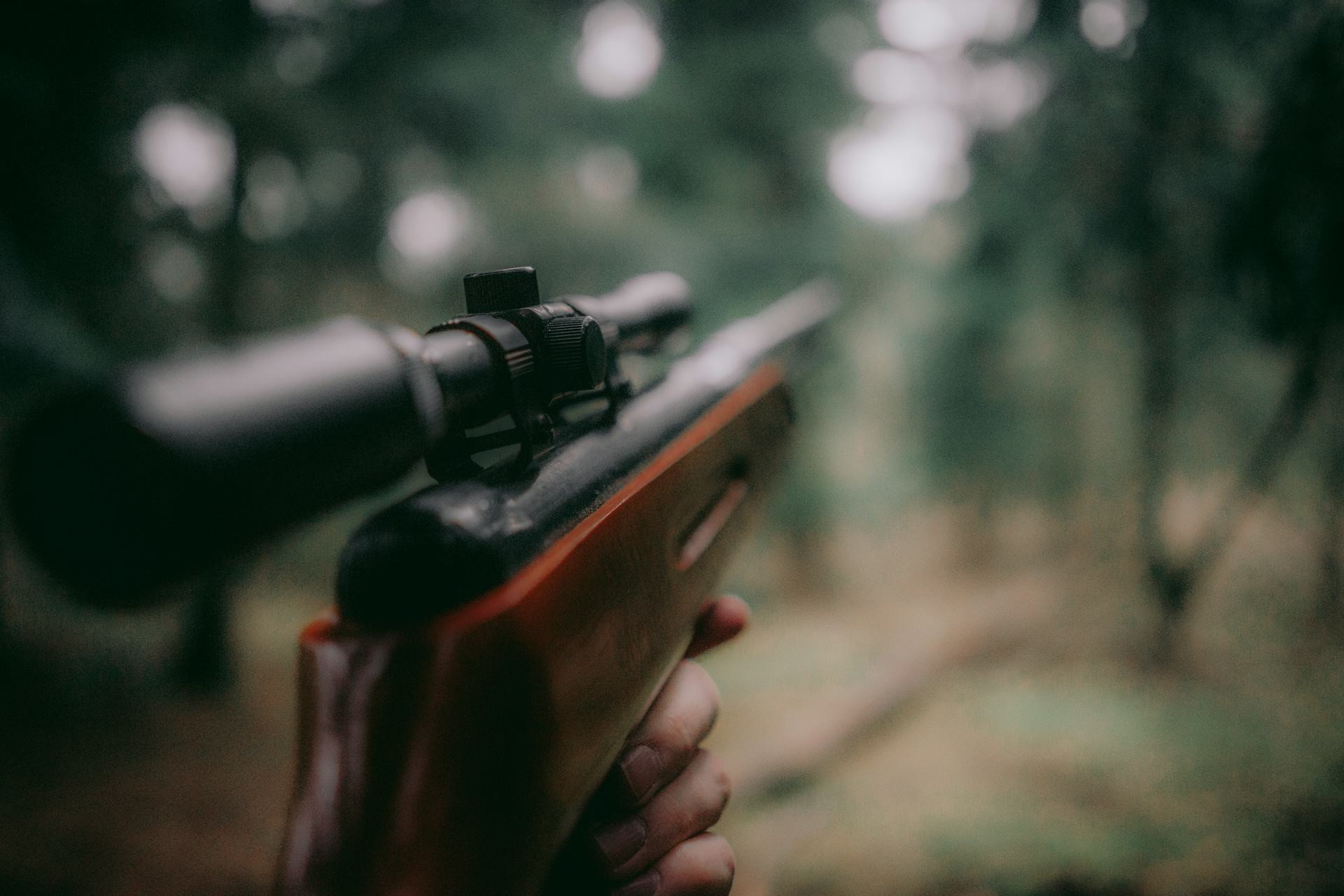
Gun Maintenance Before and After Hunting Season – Step-by-Step Guide
A well-maintained firearm is more than just a matter of appearance—it’s about safety, accuracy, and longevity. Whether you hunt with a rifle, shotgun, or muzzleloader, regular maintenance ensures your firearm performs reliably when it matters most. Many hunters clean their guns after a day in the field, but thorough maintenance before and after hunting season is just as important. Here’s a step-by-step guide to keeping your firearm in top condition all year long.
Before Hunting Season – Get Your Firearm Ready
As hunting season approaches, it’s time to make sure your firearm is in perfect working order. A gun that’s been stored for months may have collected dust, moisture, or old oil that can affect performance.
1. Inspect Your Firearm
Start with a careful visual inspection. Look for rust, scratches, or signs of wear. Make sure the stock is secure and free of cracks. Check that the sights or scope mounts are tight and properly aligned. If you use optics, ensure the lenses are clean and the scope is correctly zeroed.
2. Clean the Barrel
Even a stored firearm can accumulate dust or oil residue inside the barrel. Use a cleaning rod with the appropriate brush and patches. Run a solvent-soaked brush through the barrel to loosen fouling, then follow with dry patches until they come out clean. Finish with a light coat of gun oil to protect against rust.
3. Lubricate Moving Parts
The action, trigger, and safety should move smoothly. Apply a small amount of high-quality gun oil to moving parts—but don’t overdo it. Excess oil can attract dust and debris, which may cause malfunctions later.
4. Check the Optics
Ensure your scope or red dot sight is firmly mounted and that all screws are tight. If you’ve removed the optic for storage or transport, re-zero your firearm at the range before hunting.
5. Test at the Range
Always test-fire your gun before the season begins. This confirms that everything functions properly and that your firearm is still shooting accurately after months of storage.
During Hunting Season – Routine Care
A firearm that’s used frequently needs ongoing attention. Moisture, dirt, and debris can quickly lead to rust or performance issues if ignored.
- Wipe down after every hunt. Use a soft, dry cloth to remove moisture, mud, and fingerprints, especially around the action and barrel.
- Clean the barrel regularly. Powder residue builds up after repeated shots and can affect accuracy.
- Store in a dry environment. Use a dehumidifier or desiccant in your gun safe, especially in humid climates.
- Avoid touching metal parts with bare hands. Oils from your skin can cause corrosion over time.
Small maintenance habits after each hunt prevent bigger problems later.
Læs også:



After Hunting Season – Deep Cleaning and Storage
When the season ends, it’s time for a thorough cleaning and inspection. This ensures your firearm stays in great shape during the off-season and is ready for next year.
1. Disassemble the Firearm
Follow the manufacturer’s instructions to safely disassemble your firearm into its main components—barrel, action, and stock. Lay the parts on a clean, padded surface to avoid scratches.
2. Clean and Degrease
Use a quality gun solvent to remove powder, lead, and copper fouling. Wipe all parts with clean patches or cloths until no residue remains. Make sure every component is completely dry before reapplying oil. Use a soft brush to reach tight areas.
3. Lubricate and Protect
Apply a thin coat of gun oil to all metal surfaces to prevent rust. For wooden stocks, use a light application of linseed oil or wax to preserve the finish and protect against moisture.
4. Reassemble and Function Check
Once reassembled, check that everything operates smoothly. The trigger should break cleanly, and the safety should engage and disengage firmly. Cycle the action to ensure there’s no stiffness or binding.
5. Store Properly
Store your firearm in a secure, dry gun safe away from direct sunlight. Use a dehumidifier or moisture-absorbing pack inside the safe. Keep ammunition stored separately in a cool, dry place.
Bonus Tip: Don’t Forget Your Accessories
Gun care doesn’t stop with the firearm itself. Remember to maintain your gear as well:
- Slings and straps – Check for frayed stitching or worn leather.
- Scopes and optics – Clean lenses with a microfiber cloth and store them in a dry case.
- Ammunition – Inspect for corrosion or damage and store in a temperature-controlled environment.
Attention to these details enhances both safety and performance in the field.
A Firearm That Lasts for Generations
A well-cared-for firearm can last a lifetime—and even be passed down to the next generation. Regular cleaning and proper storage are the best investments you can make as a hunter. It’s not just about preserving value; it’s about respecting the craftsmanship and the tradition of hunting itself.
With a little care before and after each season, you can be confident that your firearm will always be ready when you head into the field—delivering accuracy, safety, and reliability year after year.
Læs også: