Leadership Styles in Hunting: How Do They Affect the Mood and Effectiveness of the Hunt?

Leadership Styles in Hunting: How Do They Affect the Mood and Effectiveness of the Hunt?
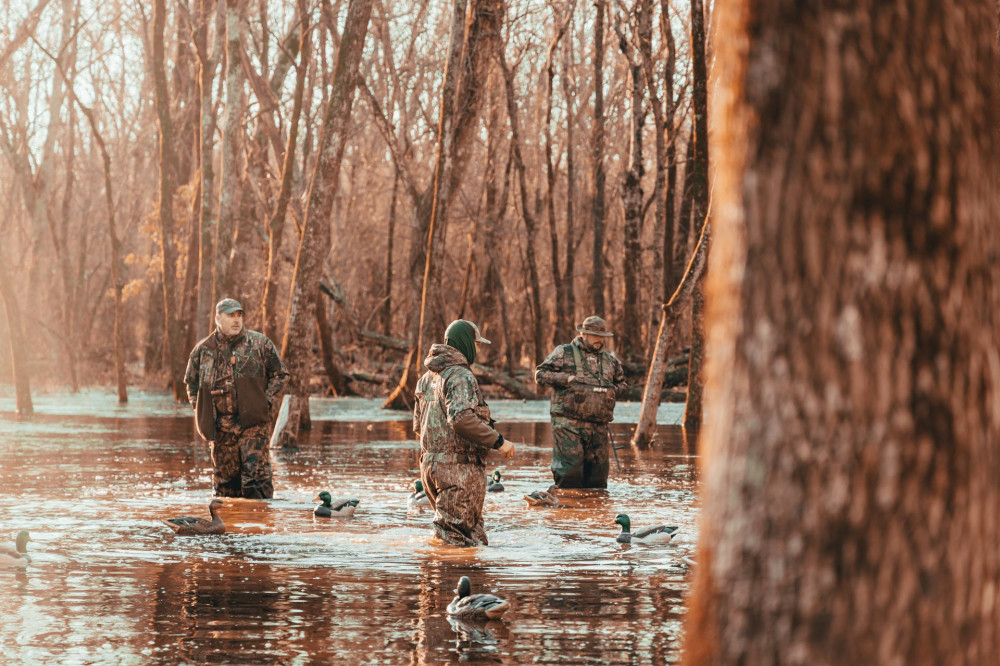
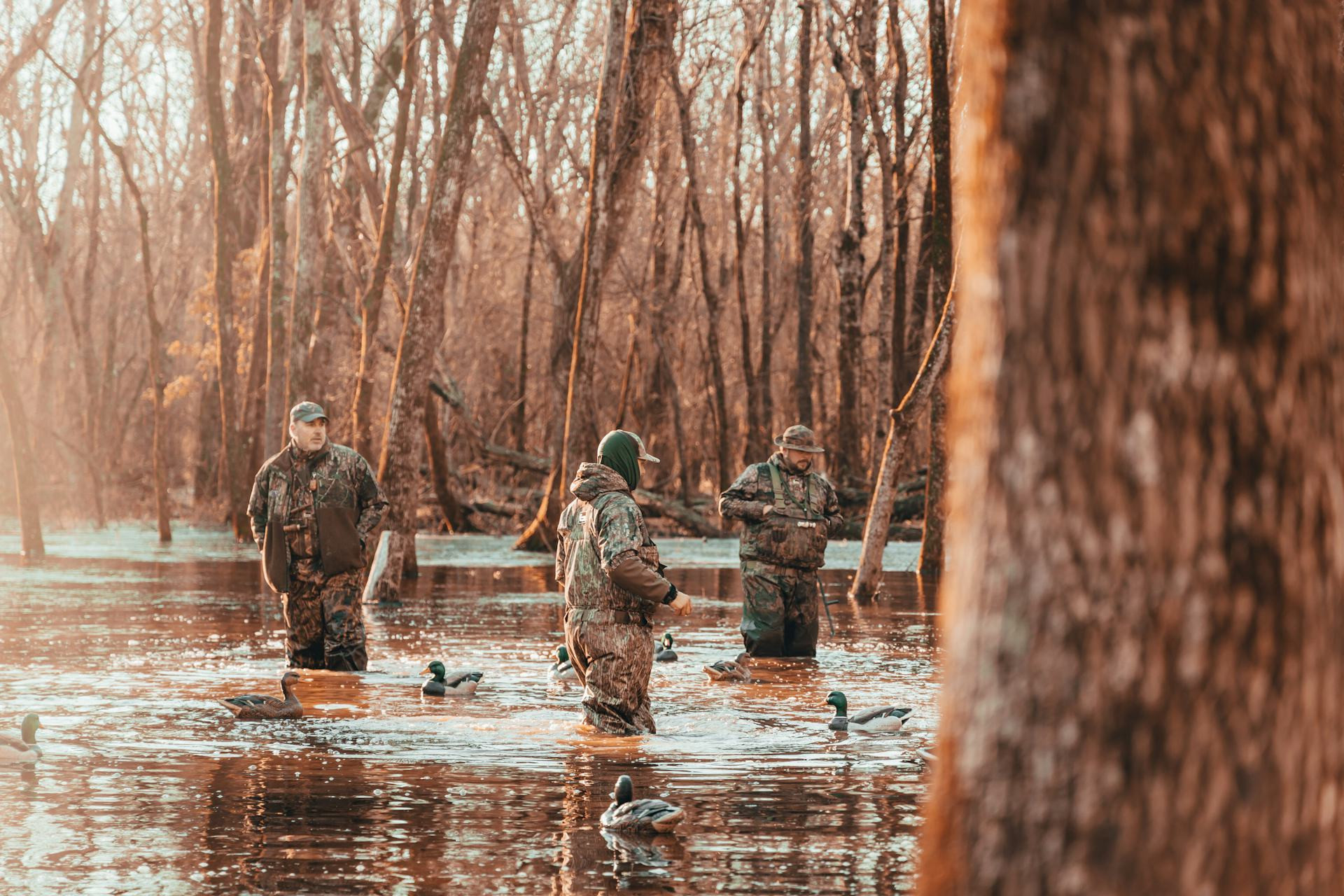
When a group of hunters gathers for a day in the field, success depends on more than marksmanship and luck. It’s also about teamwork, communication, and the way the hunt is led. Just as in business or sports, leadership style can shape both the atmosphere and the outcome. But how do different leadership approaches play out in a hunting context—and what do they mean for the experience in the woods?
The Traditional Authoritative Hunt Leader
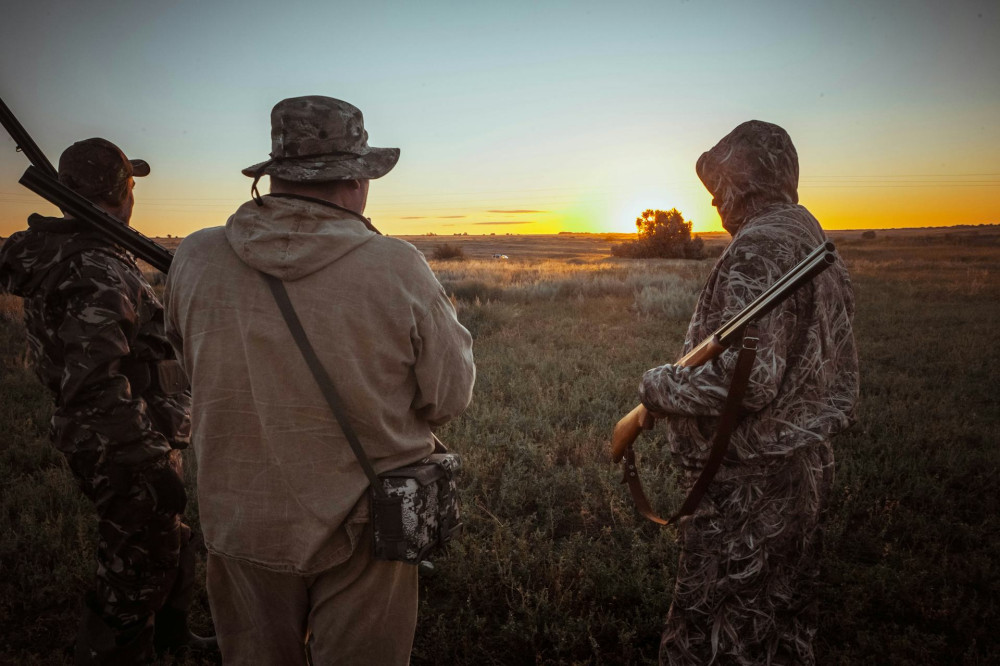
On many organized hunts, there’s a clear leader who sets the schedule, assigns positions, and enforces safety rules. This authoritative style may seem old-fashioned, but it has its strengths. When quick decisions are needed and safety is paramount, having one person in charge ensures clarity and control.
A decisive leader can create a sense of security, especially for newcomers who may not know the terrain or local customs. The downside is that the atmosphere can become formal, and participants may feel more like followers than teammates. If the tone becomes too strict, it can dampen enthusiasm and camaraderie.
The Democratic Approach – Collaboration and Conversation
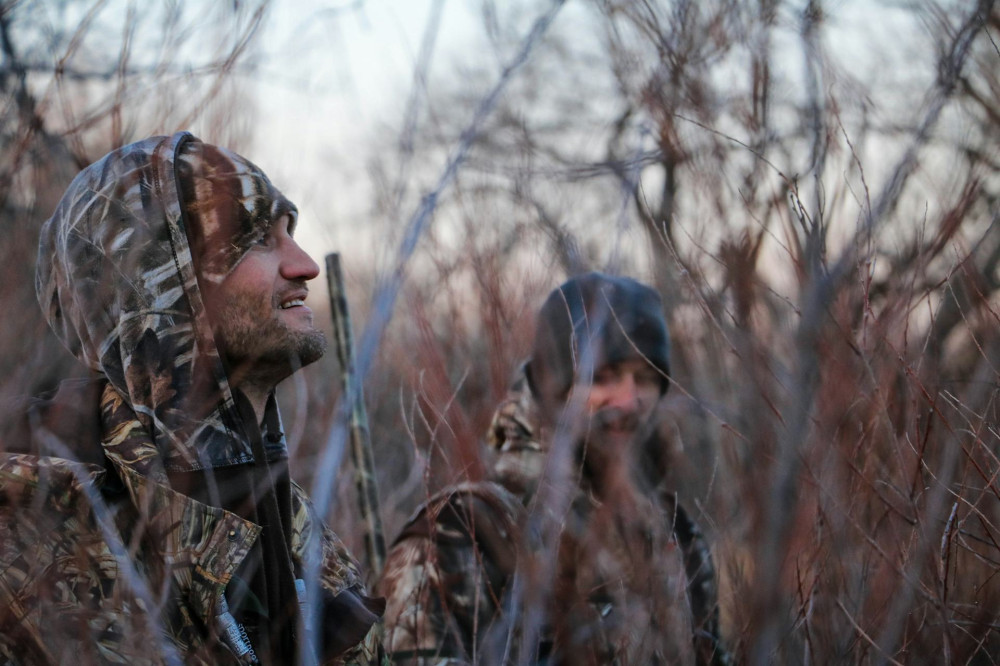
In contrast, some hunting groups prefer a democratic style, where decisions are made collectively. Everyone has a voice, and discussions cover everything from stand placement to the day’s strategy. This approach works well for smaller groups that value fellowship and shared responsibility.
A democratic leader fosters inclusion and a sense of ownership over the hunt. However, reaching consensus can take time, and confusion may arise if no one takes final responsibility. This style works best when participants are experienced, respectful, and comfortable working together.
The Coaching Leader – Focusing on Learning and Growth
A third approach, increasingly popular in hunts that include new or younger hunters, is the coaching style. Here, the leader acts as a mentor rather than a commander—offering guidance, asking questions, and encouraging reflection on decisions and experiences.
This style creates a positive, educational atmosphere where mistakes are seen as opportunities to learn. It’s especially valuable in hunter education programs or family hunts, where developing skills and ethics is as important as harvesting game. A coaching leader helps build confidence, safety awareness, and respect for wildlife.
Situational Leadership – Adapting to the Moment
No two hunts are the same, and the best leaders know how to adapt their style to the situation. In high-pressure moments—such as when safety is at stake—a firm, directive approach is essential. During planning sessions or breaks, a more open and collaborative tone may be appropriate.
Situational leadership requires experience and emotional intelligence. A skilled hunt leader senses when the group needs structure and when it needs freedom. Striking that balance often separates a good hunt from a great one.
How Leadership Shapes the Mood
The mood of a hunt is deeply influenced by the leader’s tone and behavior. An inclusive, respectful leader fosters calm and trust, while a controlling or impatient one can create tension and distraction. Clear communication and mutual respect make the hunt not only safer but also more enjoyable.
Many American hunters emphasize that a successful hunt isn’t measured solely by the number of animals taken, but by the sense of connection—to each other, to the land, and to the tradition. Leadership plays a central role in nurturing that connection.
Læs også:
Effectiveness and Ethics Go Hand in Hand
An effective hunt is not just about efficiency—it’s about doing things the right way. A good leader ensures that safety protocols are followed, that everyone understands their role, and that ethical standards are upheld. This attention to both results and responsibility strengthens the hunting community as a whole.
When leadership and ethics align, hunting becomes more than a pursuit—it becomes an experience that deepens respect for nature and reinforces the bonds among those who share it.
Læs også: