The Diving Certification – Your Proof of Knowledge and Skills in Scuba Diving

The Diving Certification – Your Proof of Knowledge and Skills in Scuba Diving
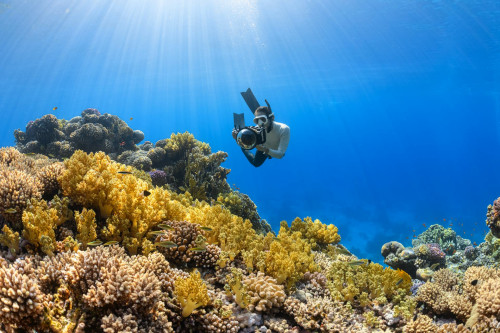
Earning a diving certification is, for many, the start of an entirely new adventure beneath the surface. It’s more than just a plastic card – it’s proof that you’ve gained the knowledge and practical skills needed to dive safely and responsibly. Whether you dream of exploring coral reefs in the Caribbean, shipwrecks off the Florida coast, or kelp forests in California, your certification is your passport to a world few ever experience firsthand.
What Is a Diving Certification?
A diving certification shows that you’ve completed a recognized scuba training program. It confirms that you understand essential safety procedures, can handle your equipment correctly, and know how your body responds underwater. Certifications are issued by international organizations such as PADI, SSI, or NAUI, and they’re accepted at dive centers all over the world.
There are several levels of certification – from the beginner Open Water Diver course to more advanced programs like Rescue Diver or Divemaster. Each level expands your skills, confidence, and the depth limits you can safely explore.
How the Training Works
A basic scuba course typically includes three main parts:
- Knowledge Development – You’ll learn about pressure, buoyancy, dive planning, and safety. Many dive schools now offer online learning, so you can complete the theory portion at your own pace before heading to the water.
- Confined Water Training – In a pool or shallow water, you’ll practice essential skills such as clearing your mask, controlling buoyancy, and communicating underwater.
- Open Water Dives – These are your final training dives in a lake, quarry, or ocean, where you demonstrate that you can apply what you’ve learned in real conditions.
Once you’ve successfully completed all sections, you’ll receive your certification card – often both in physical and digital form.
Safety and Responsibility
Scuba diving is a safe activity when you follow the rules and respect your limits. The certification process isn’t just about technique; it’s also about developing a sense of responsibility. You’ll learn how to plan dives, monitor your air supply, and handle unexpected situations calmly.
One of the golden rules of diving is to always dive with a buddy. Teamwork and communication are key to safety underwater. You’ll also learn to recognize your own physical and mental limits and never push beyond what you’re trained for.
Læs også:
The Equipment – Your Lifeline Underwater
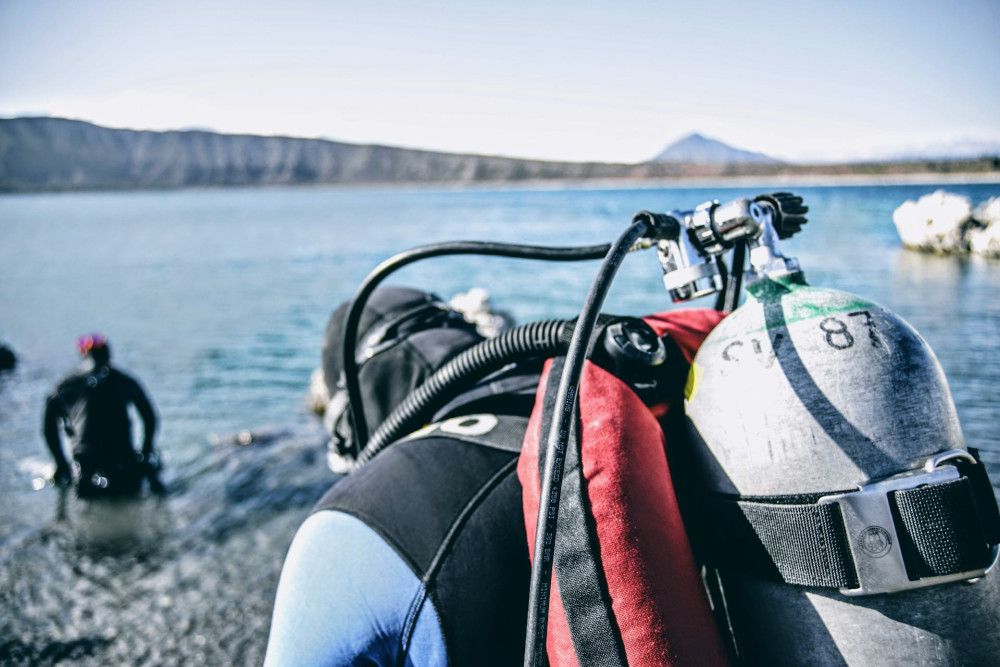
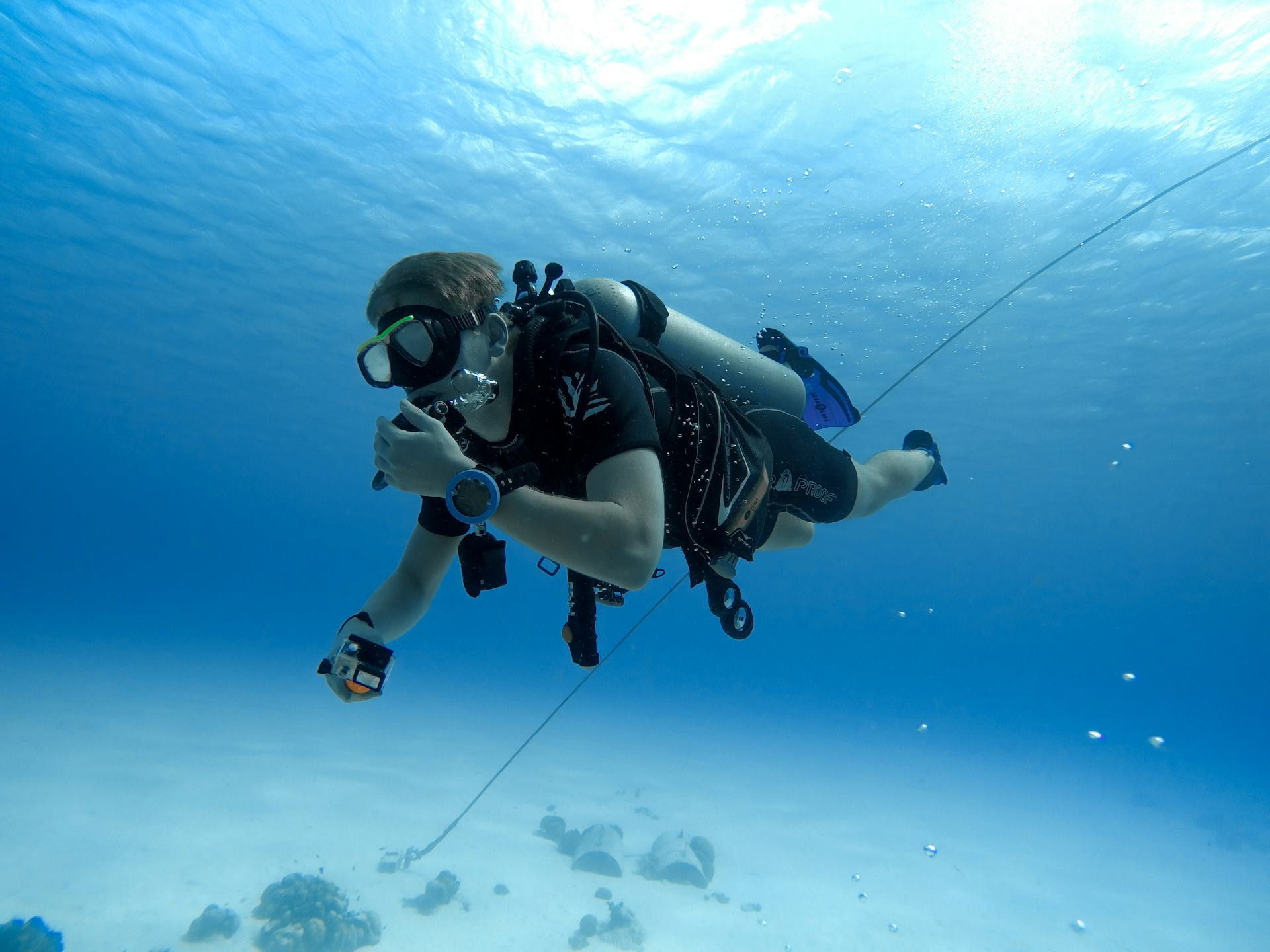
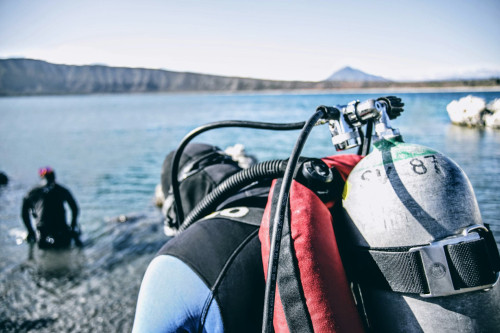
As a certified diver, you’ll become familiar with the gear that allows you to breathe and move freely underwater. The basic equipment includes:
- Mask and snorkel – for clear vision and surface breathing.
- Wetsuit or drysuit – to protect you from cold and abrasions.
- BCD (Buoyancy Control Device) – helps you maintain neutral buoyancy.
- Regulator and tank – deliver air from your tank to your mouth.
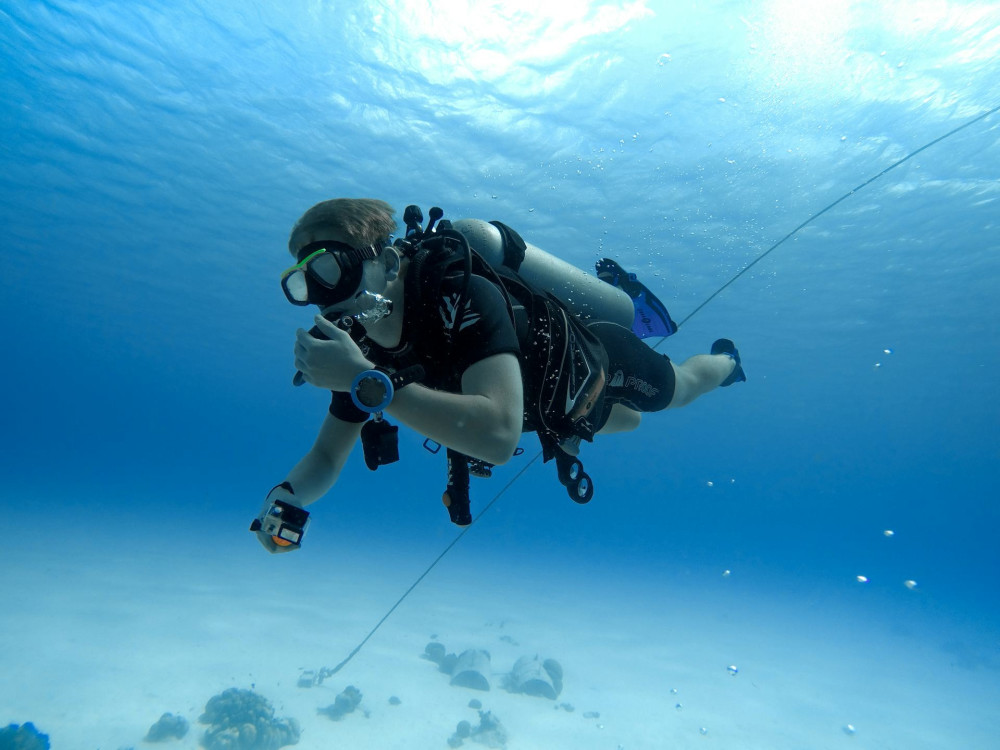
- Dive computer – tracks depth, time, and ascent rate to help prevent decompression sickness.
Most dive shops offer rental gear, but many divers eventually invest in their own equipment for comfort and fit.
Where to Get Certified
You can earn your diving certification almost anywhere in the United States. Popular training locations include Florida, California, Hawaii, and the Great Lakes region. Many inland dive centers use pools or freshwater quarries for training, while coastal schools offer ocean dives year-round.
Some people choose to complete their certification while on vacation – for example, in the Caribbean, Mexico, or the Pacific Islands – where warm, clear water makes for an unforgettable learning experience. No matter where you train, your certification is valid worldwide, allowing you to dive almost anywhere.
How Much Does It Cost?
The cost of an entry-level diving certification in the U.S. typically ranges from $400 to $600, depending on the dive center, location, and whether equipment rental is included. Some programs offer referral options, allowing you to complete the classroom and pool sessions at home and finish your open-water dives at a resort destination.
An Experience for a Lifetime
Getting certified as a scuba diver is more than just learning a new skill – it’s an investment in experiences. You’ll gain access to a world of color, calm, and wonder that few ever see. Many divers describe the sensation of weightlessness and silence underwater as almost meditative.
You’ll also join a global community of ocean enthusiasts who share a passion for exploration and marine life. And the more you dive, the more you’ll discover – not only about the underwater world but also about yourself.
Læs også: