Plan a Safe Dive: Preparation, Communication, and Risk Assessment

Plan a Safe Dive: Preparation, Communication, and Risk Assessment
Exploring the underwater world can be one of the most rewarding adventures you’ll ever experience — the weightlessness, the quiet, and the incredible marine life. But even a calm dive requires careful planning and awareness. Safety begins long before you enter the water and depends on preparation, communication, and a realistic assessment of risks. Here’s a guide to help you plan a safe dive, whether you’re new to scuba or a seasoned diver.
Preparation: The Foundation of a Safe Dive
Good divers prepare thoroughly. Preparation isn’t just about checking your gear — it’s about understanding the environment and conditions you’ll be diving in.
- Check weather and water conditions. Wind, waves, and visibility can change quickly. Review local marine forecasts and talk to dive shops or other divers familiar with the site.
- Know the site. Research depth, bottom composition, entry and exit points, and potential hazards such as currents, boat traffic, or marine life.
- Plan your dive — and dive your plan. Agree on maximum depth, bottom time, and ascent rate. Use your dive computer or tables to calculate safe no-decompression limits.
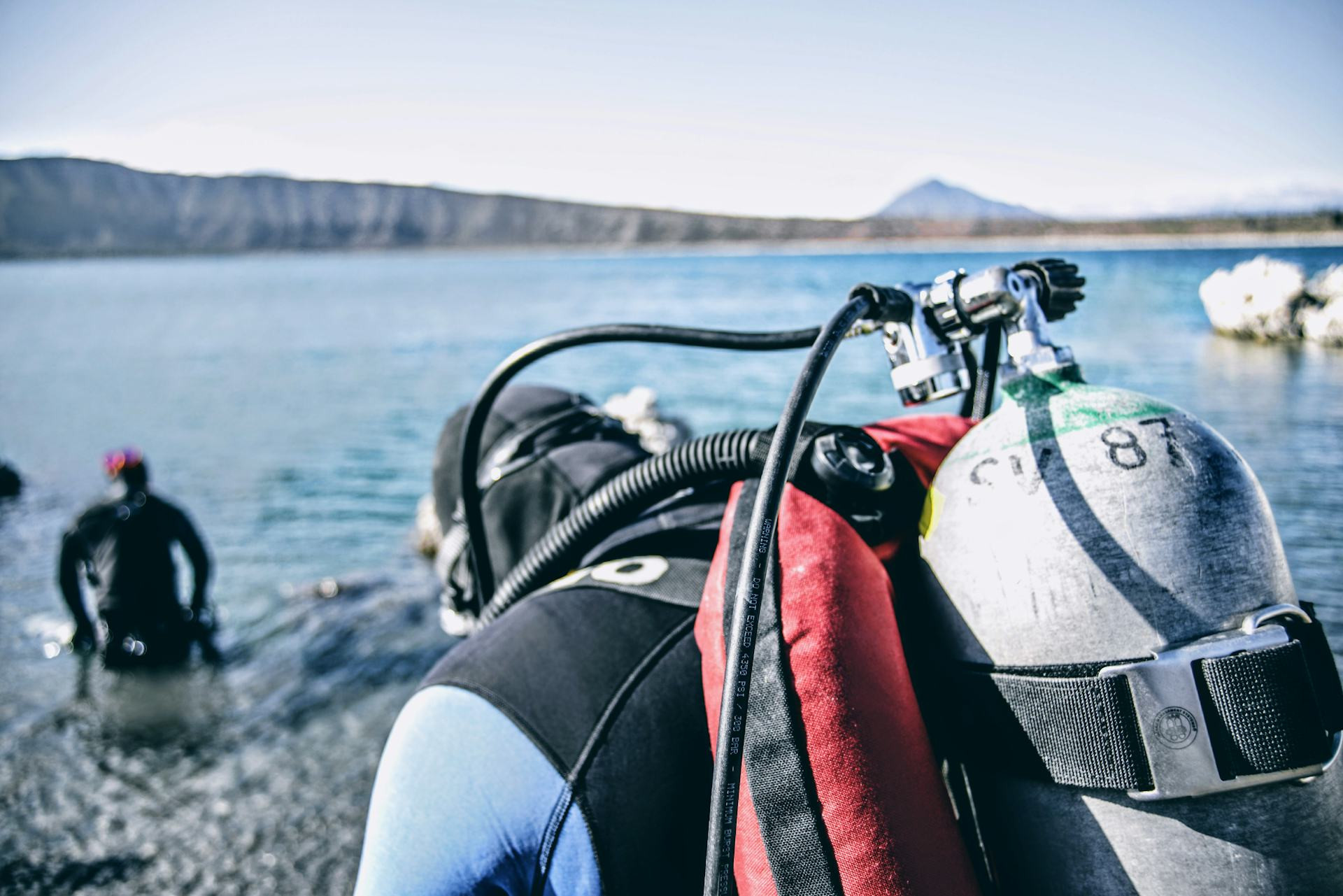
- Inspect your equipment. Test your regulator, BCD, tanks, weights, mask, and fins before leaving shore. Bring spares like O-rings, a dive light, and a cutting tool.
A systematic approach to preparation reduces the chance of mistakes and helps you stay calm and confident once you’re underwater.
Læs også:

Communication: Your Lifeline Underwater
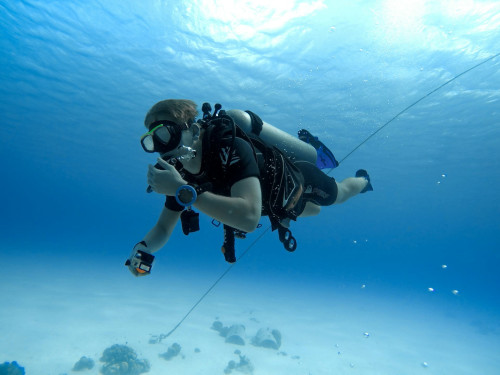
Communication is limited underwater, but it’s essential. A strong buddy system and clear signals can make all the difference between a smooth dive and a dangerous one.
- Review hand signals. While many are standardized, small variations exist. Make sure you and your buddy agree on the meaning of key signals before diving.
- Plan for contingencies. Discuss how you’ll handle issues like mask loss, low air, or separation.
- Maintain visual contact. Check on your buddy regularly and stay within sight at all times.
- Communicate before and after the dive. A short pre-dive briefing and post-dive review help you learn from each experience and improve teamwork.
Diving is a shared activity. The better your communication, the safer and more enjoyable your dive will be.
Risk Assessment: Know Your Limits
Even experienced divers can face unexpected challenges. That’s why honest risk assessment is key — for yourself and your group.
- Be honest about your experience. Don’t dive deeper or in tougher conditions than you’re trained for. There’s no shame in saying no.
- Consider physical and mental factors. Fatigue, stress, or illness can affect your judgment and reaction time. Only dive when you’re well-rested and focused.
- Have an emergency plan. Know the location of the nearest recompression chamber and have contact information for emergency services and the dive leader.
- Reassess during the dive. If conditions worsen — poor visibility, stronger currents, or equipment issues — call the dive. It’s always better to end early than to push your limits.
Risk assessment isn’t about eliminating all danger; it’s about understanding and managing it responsibly.
After the Dive: Reflect and Improve
A safe dive doesn’t end when you surface. Take time to review how the dive went. Were there any issues? How well did you and your buddy work together? Small adjustments from dive to dive make you a more skilled and safety-conscious diver.
Take care of your body, too: hydrate, avoid alcohol, and respect surface intervals before flying or diving again.
Safety Creates Freedom
When you prepare carefully, communicate clearly, and assess risks realistically, you create the conditions for true freedom underwater. Safety isn’t about limiting adventure — it’s what allows you to keep exploring, dive after dive.
Læs også: