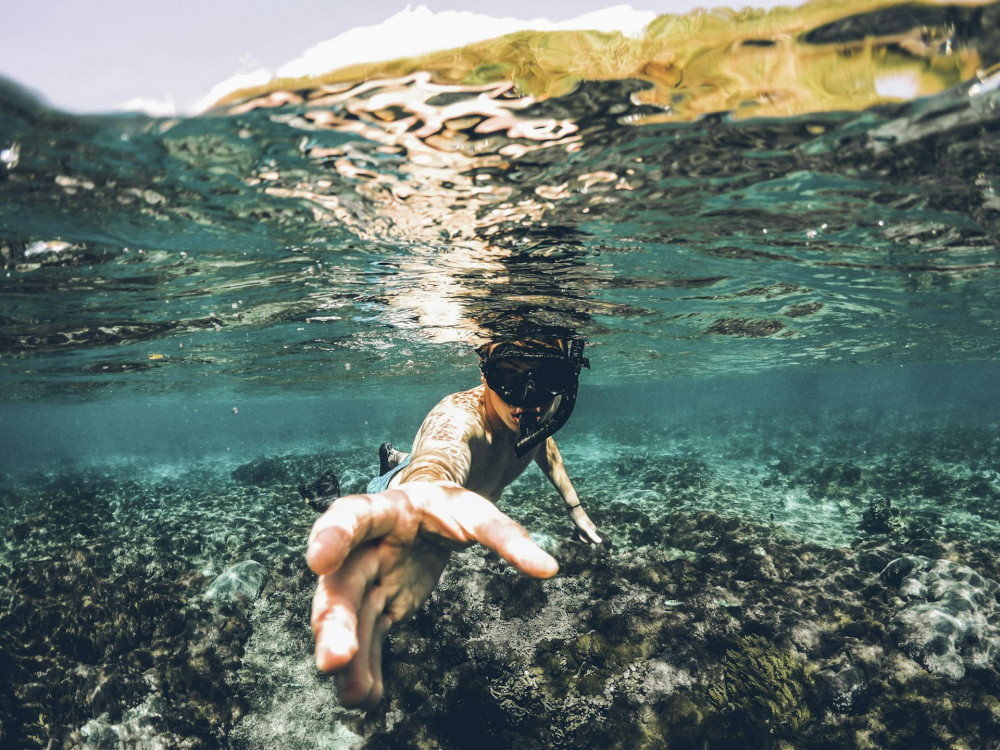
Meet Local Divers and Experience the Ocean Through Their Eyes

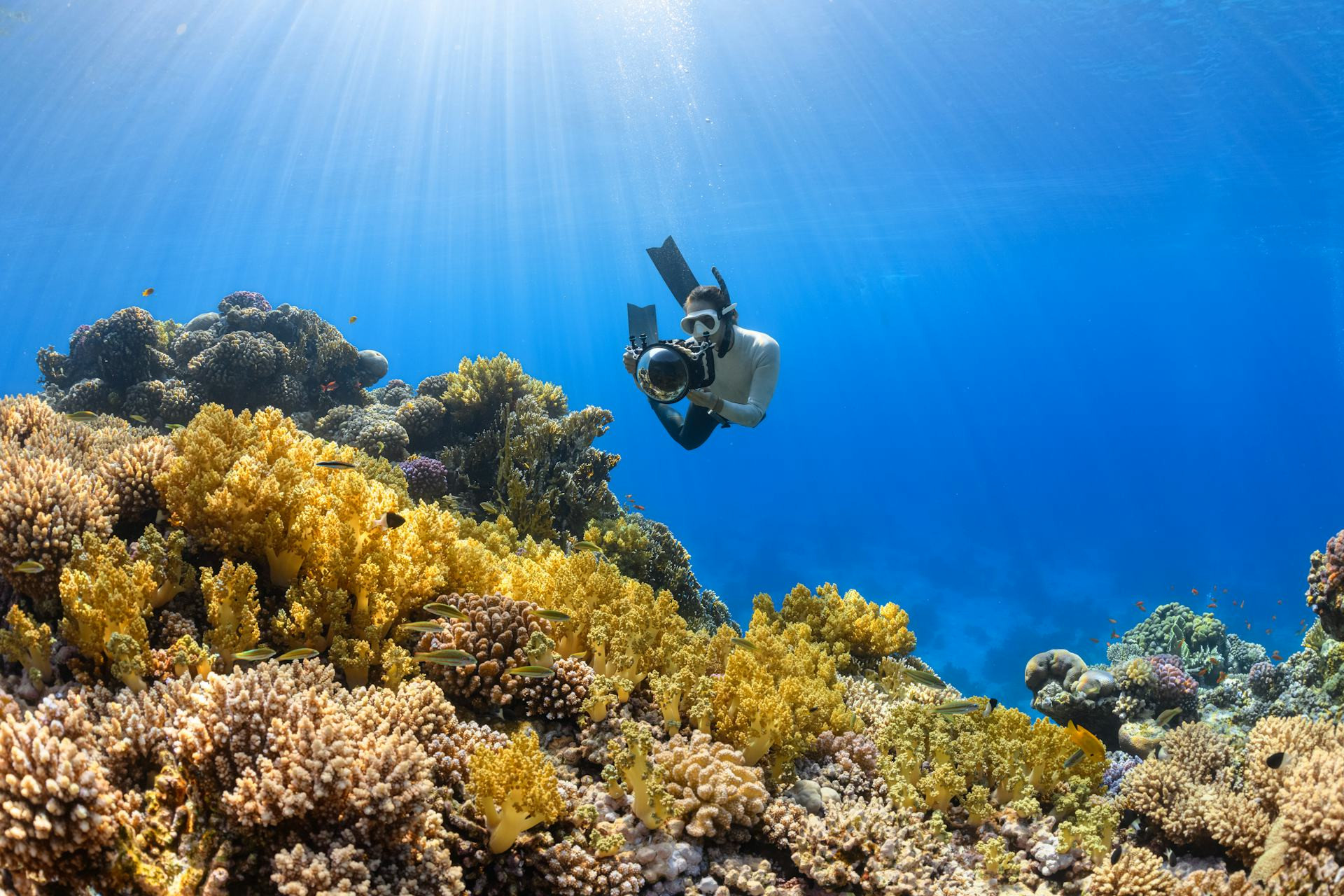
Meet Local Divers and Experience the Ocean Through Their Eyes
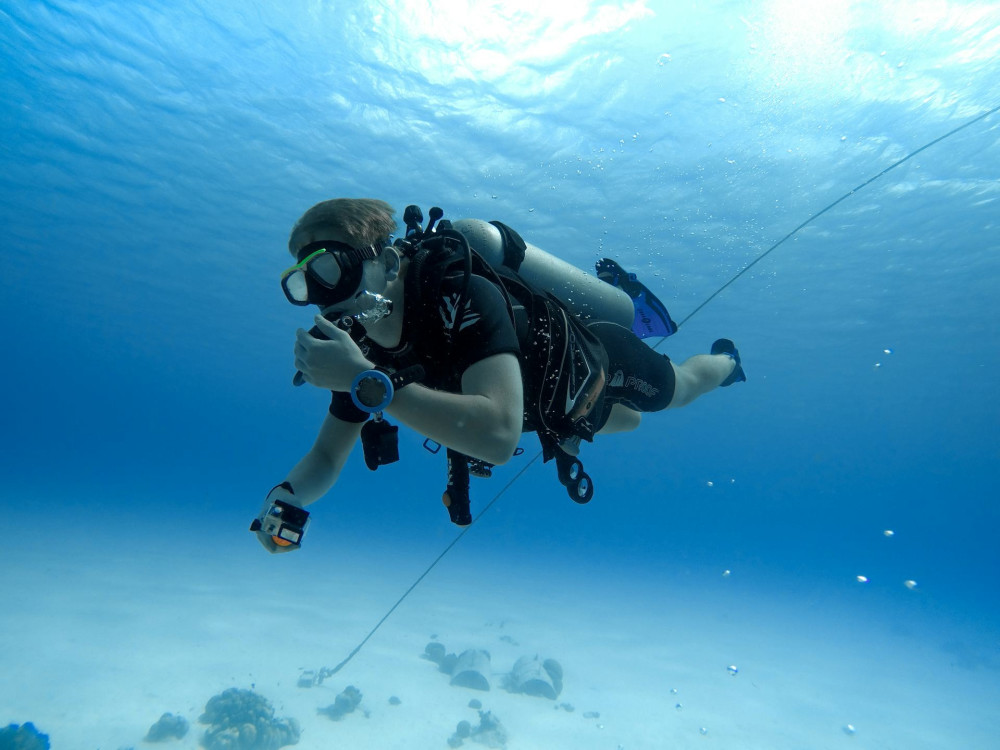
Beneath the ocean’s surface lies a world that few ever truly see. Forests of kelp sway in the current, curious fish dart between rocks, and shipwrecks tell stories of adventure and history. For local divers, this isn’t just a pastime—it’s a passion and a way to connect with the sea. We spoke with some of the people who spend their free time exploring America’s underwater landscapes and who invite others to experience the ocean through their eyes.
A Community Beneath the Waves
When most people think of diving, they imagine tropical reefs and faraway islands. But the United States offers some of the most diverse and fascinating dive sites in the world—from the kelp forests of California and the coral reefs of Florida to the shipwrecks of the Great Lakes and the volcanic formations off Hawaii.
For many local divers, the real treasure is the community. Dive clubs across the country serve as social hubs where people share experiences, plan trips, and look out for one another. “The best part about diving here is the people,” says a diver from Monterey Bay, California. “We all care about the ocean, and we take care of each other out there.”
Discovering Hidden Marine Life
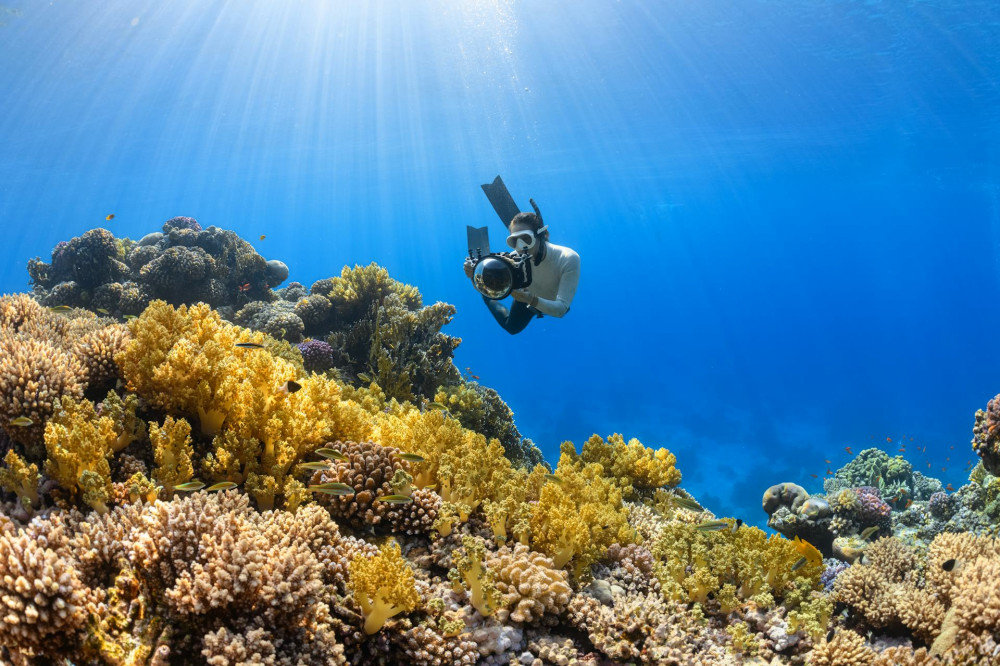
From the surface, the water might look calm and opaque, but once you descend, a vibrant world comes alive. In the Pacific Northwest, giant Pacific octopuses hide among rocky reefs. In Florida, sea turtles glide gracefully over coral gardens. In the Great Lakes, freshwater sponges and schools of perch surround century-old shipwrecks preserved in the cold, clear water.
Many divers describe the experience as meditative. The noise fades, movements slow, and a sense of calm takes over. “When I’m underwater, everything else disappears,” says a diver from Michigan. “It’s like entering another world where time doesn’t exist.”
Diving for Conservation
Across the country, local dive groups are taking action to protect the marine environment. They organize beach cleanups, remove debris from the seafloor, and document changes in marine habitats. “We see the ocean changing with our own eyes,” says a volunteer diver from Florida. “When coral starts to bleach or fish populations drop, we know something’s wrong—and we want to help.”
Many divers collaborate with scientists and conservation organizations, providing valuable data about water quality, species sightings, and pollution. In this way, recreational diving becomes a form of citizen science—helping to safeguard the ocean for future generations.
Læs også:
How to Get Started
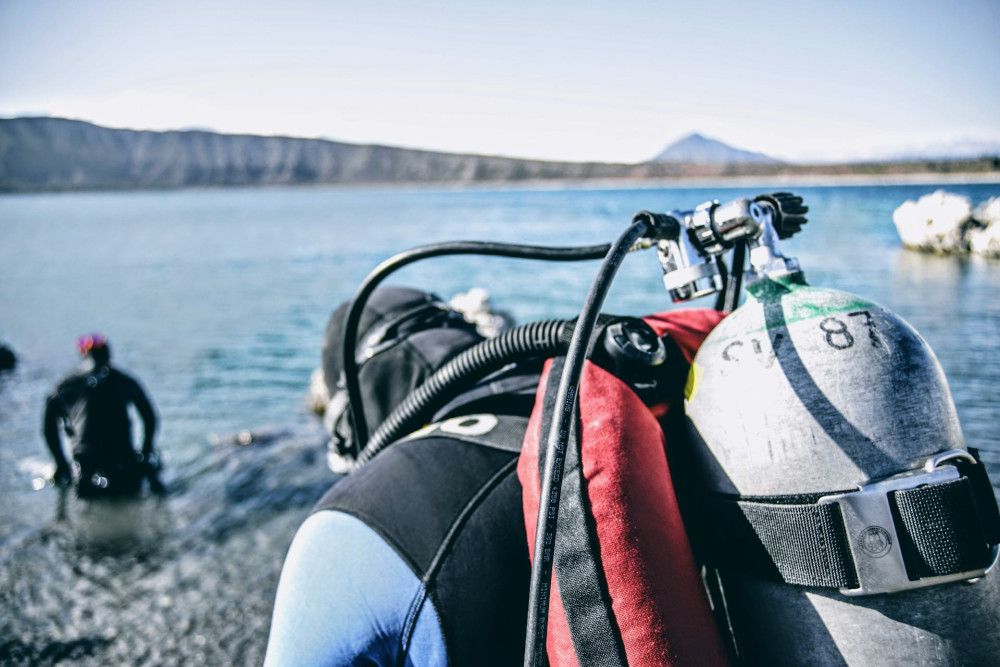
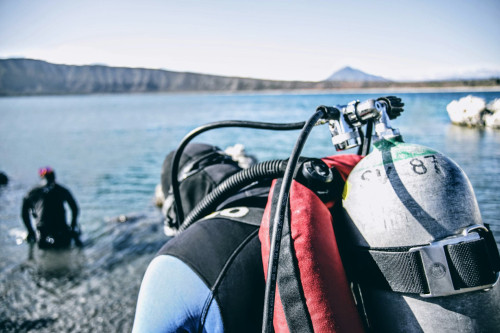
If you’ve ever dreamed of exploring the ocean up close, there are plenty of ways to begin. Most dive shops and clubs offer introductory courses where you’ll learn about equipment, safety, and basic techniques. An entry-level certification, such as the Open Water Diver, allows you to dive to depths of about 60 feet and opens the door to countless adventures.
You don’t have to travel far to find great diving. Many coastal states have accessible shore dives, and inland lakes and quarries offer excellent training grounds. In warmer regions, a wetsuit is often enough, while in colder waters, a drysuit keeps divers comfortable year-round.
See the Ocean with New Eyes
Diving isn’t just about seeing—it’s about feeling. As you move weightlessly through the water, you become part of an ecosystem that’s usually hidden from view. You begin to understand how delicate and extraordinary the ocean truly is—and why it deserves our care.
Local divers hope more people will take the plunge. Because once you’ve seen the ocean from the inside, you’ll never look at the shore the same way again.
Læs også: