What Are Dietary Guidelines Really? How to Put Them into Practice in Everyday Life


What Are Dietary Guidelines Really? How to Put Them into Practice in Everyday Life
You’ve probably heard about the Dietary Guidelines for Americans — in the news, on food labels, or from your doctor. But what do they actually mean in everyday life? For many people, they can seem like abstract recommendations that are hard to translate into real meals and grocery choices. In reality, the guidelines aren’t about strict rules or deprivation. They’re about balance — helping you eat in a way that supports your health and fits your lifestyle.
Here’s a closer look at what the guidelines are and how you can use them as a practical tool in your daily routine.
What Are the Dietary Guidelines?
The Dietary Guidelines for Americans are developed by the U.S. Departments of Agriculture (USDA) and Health and Human Services (HHS). They’re updated every five years based on the latest nutrition science and are designed to help people make food and beverage choices that promote health and reduce the risk of chronic disease.
In short, the guidelines encourage you to:
- Focus on variety, nutrient density, and portion size.
- Eat plenty of fruits, vegetables, whole grains, and lean proteins.
- Limit added sugars, saturated fats, and sodium.
- Choose water as your main beverage.
- Stay mindful of overall calorie balance.
But how do you actually make these ideas work when you’re planning dinner or grabbing lunch on the go?
Make Fruits and Vegetables the Center of Your Plate
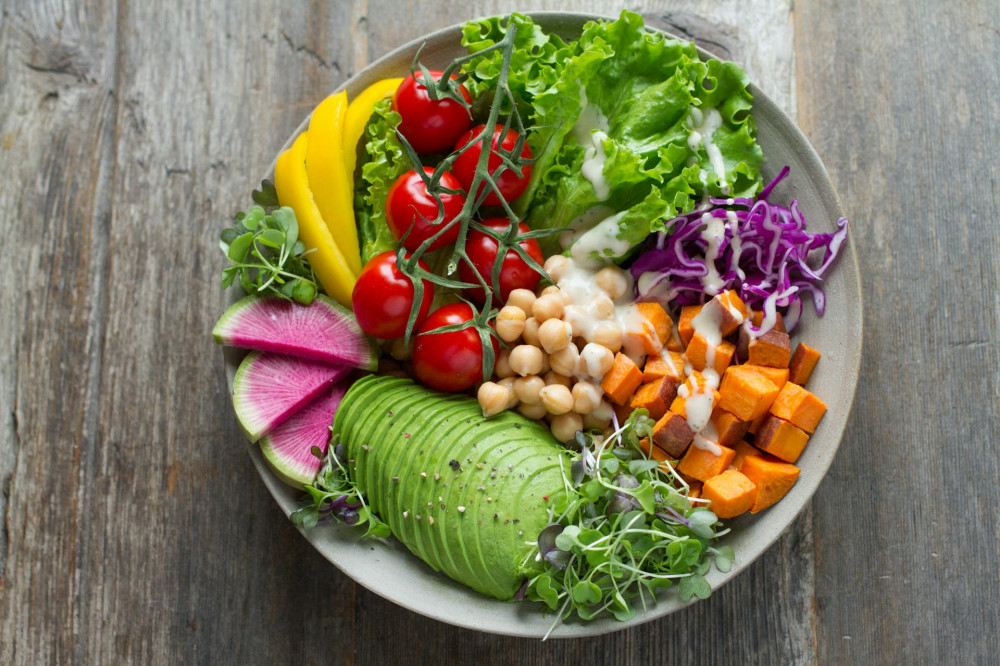
One of the simplest ways to follow the guidelines is to fill half your plate with fruits and vegetables. They’re packed with vitamins, minerals, and fiber — and they add color and flavor to your meals.
Try adding spinach or peppers to your morning eggs, tossing extra veggies into pasta sauce, or keeping pre-cut carrots and apples on hand for quick snacks. Frozen and canned options (without added salt or sugar) are just as nutritious as fresh ones and can make healthy eating more convenient.
Choose Whole Grains More Often
Whole grains — like oatmeal, brown rice, quinoa, and whole-wheat bread — provide more fiber and nutrients than refined grains. They help you feel full longer and support steady energy levels.
You don’t have to overhaul your diet overnight. Start by swapping white bread for whole-wheat, or try whole-grain pasta next time you cook. Small changes add up over time.
Pick Lean Proteins and Plant-Based Options
Protein is essential for building and repairing your body, but not all sources are equal. The guidelines recommend choosing lean meats, poultry, seafood, eggs, beans, lentils, nuts, and seeds.
Try having seafood twice a week — salmon, trout, or sardines are great sources of omega-3 fatty acids. You can also experiment with plant-based meals: make chili with beans instead of beef, or add lentils to soups and salads. These swaps are good for your health and the environment.
Limit Added Sugars, Saturated Fats, and Sodium
Many packaged foods and drinks contain more sugar, salt, and unhealthy fats than we realize. You don’t have to cut them out completely, but being aware of how much you consume can make a big difference.
Check nutrition labels and choose products with less added sugar and sodium. Cook more meals at home so you can control what goes into your food. Gradually reduce salt and sugar in recipes — your taste buds will adjust over time.
Drink Water First
Water is the best way to stay hydrated — it’s calorie-free, inexpensive, and easy to find. If you want more flavor, add slices of lemon, cucumber, or berries. The guidelines also suggest limiting sugary drinks and alcohol. Enjoying a soda or a glass of wine occasionally is fine, but make water your everyday go-to.
Plan Ahead and Reduce Food Waste
Healthy eating is easier when you plan ahead. Make a grocery list, prep ingredients for the week, and keep healthy snacks within reach. Think about sustainability, too — using leftovers creatively can save money and reduce waste. Turn last night’s roasted vegetables into a wrap or toss leftover chicken into a salad.
Læs også:



Focus on Progress, Not Perfection
The Dietary Guidelines aren’t meant to be followed perfectly every day. They’re a framework to help you make better choices more often. Start small — maybe by adding one more serving of vegetables a day or switching to whole-grain bread. Once that becomes a habit, move on to the next step.
Consistency matters more than perfection. Over time, these small shifts can lead to big improvements in your health and well-being.
A Healthier Life, One Step at a Time
The Dietary Guidelines are not a diet plan — they’re a roadmap for lifelong healthy eating. They’re about finding balance, enjoying food, and nourishing your body in a way that works for you.
When you learn to put them into practice, they stop being a list of rules and become a guide to living well — for your health, your family, and the planet.
Læs også: