Use Food Education to Plan Everyday Meals That Fit Your Needs

Use Food Education to Plan Everyday Meals That Fit Your Needs
Food education is about more than just cooking. It’s about understanding how food affects your body, your daily life, and the world around you. When you use food education as a practical tool, you can plan meals that fit your health goals, schedule, and budget. It makes everyday life easier, healthier, and more sustainable. Here’s how you can use food knowledge to plan meals that truly work for you.
Know Your Needs – and Plan Around Them
The first step in planning balanced everyday meals is to understand your own needs. Do you have an active job or spend most of your day sitting? Are you cooking for a family with growing kids, or just for yourself and trying to avoid waste?
By starting with your lifestyle, you can better estimate how much energy and which nutrients you need. The Dietary Guidelines for Americans and the MyPlate model are great tools to help you find balance, but the key is to create a routine that fits your life.
A helpful approach is to think in terms of meal rhythm: three main meals and one or two snacks throughout the day. This helps keep your energy steady and reduces the temptation to grab fast food on the go.
Use Planning as a Tool
Meal planning might sound boring, but it’s one of the most effective ways to save time, money, and stress. When you plan your meals for the week, you can:
- Shop with purpose and reduce food waste.
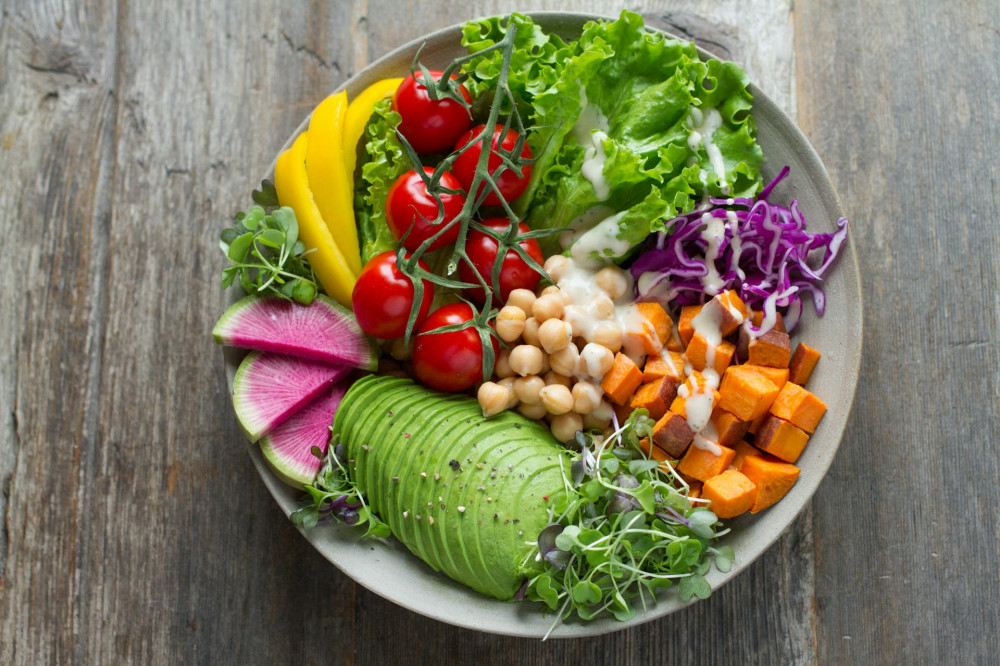
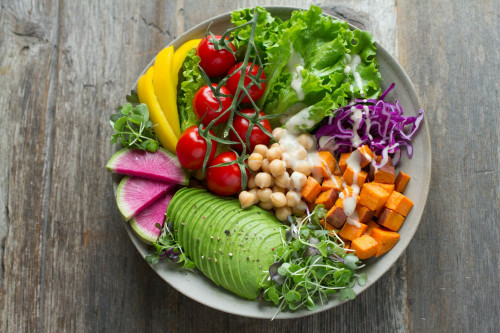
- Eat more variety and make sure you’re getting fruits, vegetables, whole grains, and protein.
- Prep ahead so busy days don’t throw you off track.
Start by choosing four or five dishes you enjoy and that can be reused in different ways. For example, roasted chicken can become tacos the next day, and cooked rice can turn into a quick stir-fry. This kind of flexible planning helps you get more out of your groceries.
Læs også:
Think Seasonally and Sustainably
Food education also means understanding where your food comes from. Choosing seasonal produce gives you better flavor and often a lower environmental impact. Strawberries taste best in summer, while squash and root vegetables shine in fall and winter.
You can also include more plant-based proteins like beans, lentils, tofu, and eggs. They’re nutritious, affordable, and good for the planet. Many people find that experimenting with new ingredients and spices makes healthy eating more exciting and satisfying.
Make Cooking Manageable
Time is one of the biggest challenges in everyday cooking. But with a little organization, you can make meal prep easier. Use a weekend afternoon to chop vegetables, cook grains, or prepare sauces so you have building blocks ready for the week.
Batch-cooking soups, stews, or grain bowls is another great strategy. These meals store well in the fridge or freezer and make it easy to pack a healthy lunch for work or school.
It also helps to keep a small pantry of staples like pasta, rice, canned beans, frozen vegetables, and spices. With these on hand, you can always pull together a quick, nourishing meal—even when you haven’t been to the store.
Listen to Your Body – and Enjoy Your Food
Food education isn’t just about nutrition; it’s also about enjoyment and well-being. Eating mindfully means paying attention to hunger and fullness cues and finding balance rather than following strict rules.
Try to make mealtimes a break in your day. Set the table, turn off screens, and eat slowly. This helps digestion and makes meals more satisfying. When you truly enjoy your food, it’s easier to maintain healthy habits.
Food Education as a Life Skill
Using food education in your daily life is an investment in your health and happiness. It’s about making conscious choices—not perfect ones. When you learn to plan, adapt, and appreciate your meals, you build a strong foundation for a balanced life.
In the end, food education isn’t just about what’s on your plate. It’s a way to understand yourself, your community, and your everyday choices—through the food you eat and the care you put into it.
Læs også: