The Fishing License – A Shared Responsibility for Nature and Ethics

The Fishing License – A Shared Responsibility for Nature and Ethics
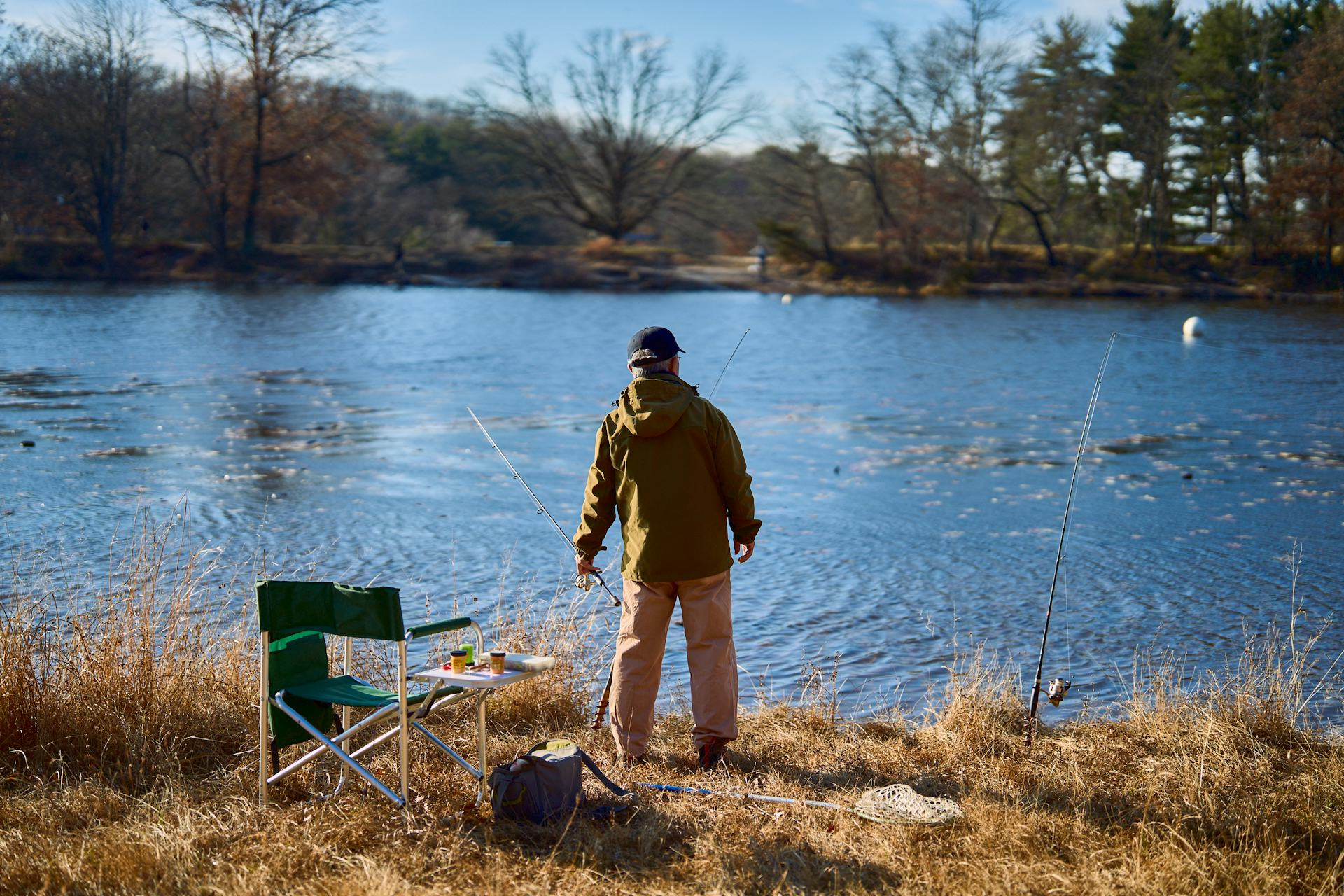
For many Americans, fishing is more than a pastime – it’s a way to connect with nature, find peace by the water, and share moments with family and friends. Yet behind the simple act of casting a line lies a deeper responsibility. A fishing license is not just a legal requirement; it’s a symbol of respect for our natural resources, for the fish populations we depend on, and for the ethical principles that ensure future generations can enjoy healthy lakes, rivers, and coastlines.
What Is a Fishing License – and Why Does It Matter?
In the United States, most states require anglers to have a valid fishing license before they cast a line in public waters. The fees collected from these licenses are far more than bureaucratic red tape – they are a vital source of funding for conservation. Revenue supports fish stocking, habitat restoration, water quality monitoring, and educational programs that promote responsible fishing.
When you buy a fishing license, you’re directly contributing to the preservation of aquatic ecosystems. It’s an investment in the future of outdoor recreation and in the health of the natural world that sustains it.
A Shared Responsibility for Nature
Fishing is not only about the catch; it’s about coexistence with nature. Every time you stand by a riverbank or launch a boat, you become part of a larger ecological cycle. That means every angler has a duty to protect the environment and leave it better than they found it.
- Pack out what you pack in – discarded lines, hooks, and plastic can harm wildlife and pollute waterways.
- Respect size and bag limits – these rules are designed to maintain healthy fish populations.
- Avoid disturbing wildlife – birds, amphibians, and insects all play essential roles in the same ecosystem.
- Share knowledge and good habits – help new anglers understand the importance of ethical and sustainable fishing.
When everyone takes responsibility, fishing becomes a sustainable activity that benefits both nature and community.
Ethics on the Water – Beyond the Rules
Ethical fishing goes beyond following regulations. It’s about mindfulness and respect. How do you handle a fish you don’t plan to keep? How do you respond when you see someone breaking the rules? And how do you balance the thrill of the catch with the well-being of the environment?
Many anglers today practice catch and release, returning fish to the water to help maintain populations. Doing it right requires care: use barbless hooks, keep the fish in the water as much as possible, and release it quickly and gently. These small actions can make a big difference in reducing stress and injury to the fish.
Ethical fishing also means showing courtesy to others who share the outdoors – kayakers, swimmers, birdwatchers, and local residents. Nature is a shared space, and it’s our collective duty to keep it welcoming and clean.
Læs også:

Local Organizations and Community
Across the country, local fishing clubs and conservation groups play a crucial role in protecting waterways and educating the public. They organize clean-up events, habitat restoration projects, and youth programs that teach responsible angling. Joining such a group is a great way to meet others who care about the same things – and to make a tangible difference.
These organizations also serve as advocates for the environment, raising awareness about pollution, invasive species, and illegal fishing. By getting involved, you help give nature a stronger voice.
The Future of Fishing – Balancing Enjoyment and Protection
American fisheries face growing challenges: climate change, habitat loss, and declining biodiversity. Meeting these challenges requires cooperation among government agencies, conservationists, and individual anglers. The fishing license is one of the tools that unites us in this shared mission.
When you purchase your fishing license, you’re doing more than gaining permission to fish – you’re joining a community committed to stewardship. It’s a small act with a lasting impact.
To fish with care is to fish with respect. And that respect is at the heart of the shared responsibility that every fishing license represents.
Læs også: