Classic Fishing Rods in a Modern Fishing Era


Classic Fishing Rods in a Modern Fishing Era
Fishing has always balanced tradition and innovation. Today, when technology shapes even the most nature-bound hobbies, many American anglers face a choice: follow the latest trends and invest in cutting-edge gear, or hold on to the classic rods that have proven their worth for generations. In this article, we explore why classic fishing rods still hold a special place in the modern fishing era.
Craftsmanship and History in Your Hands
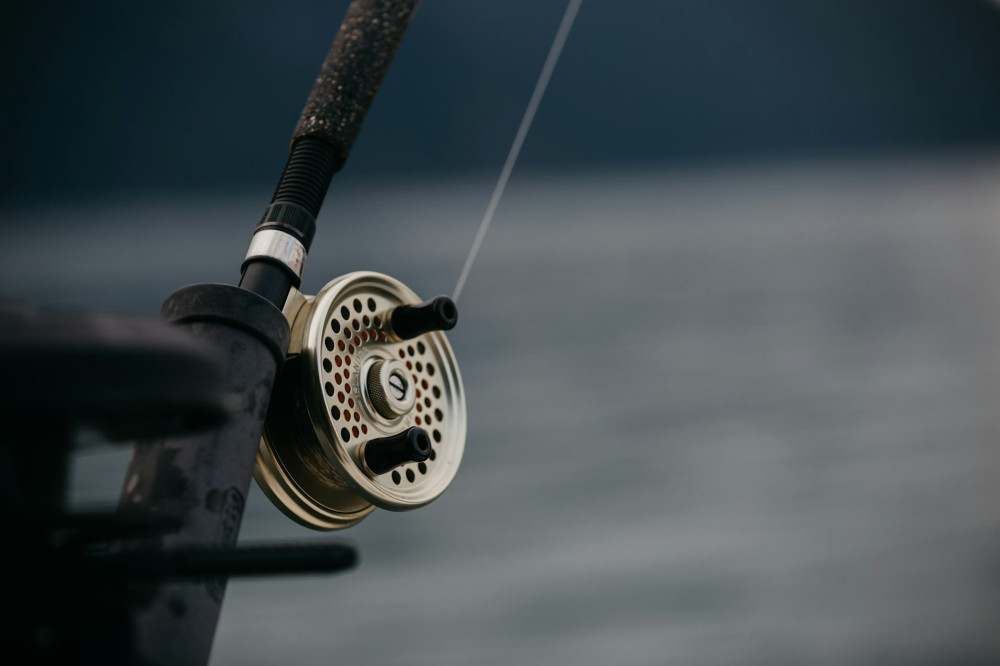
A classic fishing rod is more than just a tool—it’s a piece of craftsmanship. Many older rods were made from bamboo, fiberglass, or early graphite composites, each reflecting the era in which it was built. Every rod has its own character, and many anglers describe fishing with a classic rod as a more “alive” experience compared to modern, mass-produced models.
For some, it’s about nostalgia—memories of fishing trips with a parent or grandparent, or the thrill of a first catch. For others, it’s a conscious choice to approach fishing as an art form rather than a purely technical pursuit.
The Advantages of Modern Technology
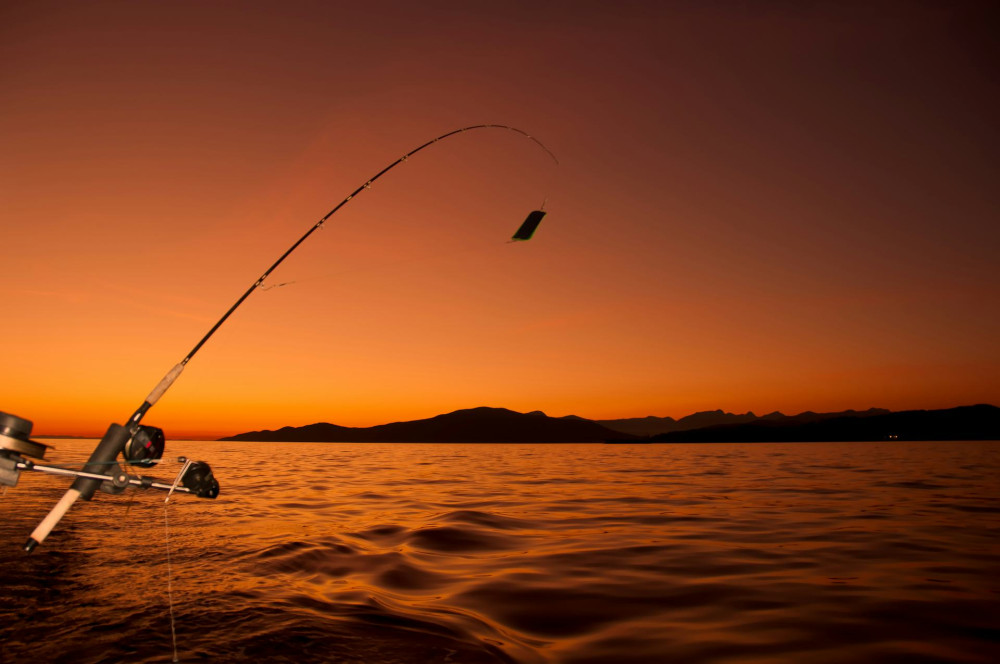
Of course, it’s impossible to ignore how far rod technology has come. Today’s rods are lighter, stronger, and more responsive than ever before. High-modulus graphite, advanced resin systems, and precision engineering allow for accuracy and sensitivity that earlier generations could only dream of. Modern reels, lines, and lures have also made it easier to adapt to different fishing conditions.
For many anglers, this means longer casts, better bite detection, and greater efficiency. These advantages are especially valuable in competitive fishing or when targeting demanding species like bass, trout, or redfish—where precision and power can make all the difference.
When Tradition Meets Technology
Fortunately, it doesn’t have to be an either-or decision. Many manufacturers have rediscovered the appeal of classic designs and combined them with modern materials. The result is a new generation of rods that blend the best of both worlds: the aesthetic charm and sensitivity of vintage models with the lightness and durability of modern engineering.
A great example is the modern split-cane rod, where bamboo is still used but reinforced with subtle layers of carbon fiber. These rods deliver an authentic feel while offering improved performance and reduced maintenance.
Læs også:



A Slower, More Mindful Way to Fish
For many who choose classic rods, it’s not just about the equipment—it’s about the approach. A bamboo or fiberglass rod invites patience. It encourages you to feel the rhythm of the water, the wind, and the fish, rather than relying on technology to do the work. It’s a way to rediscover calm and presence in a fast-paced world.
Fly anglers often talk about how a classic rod changes the tempo of their cast. You have to slow down, feel the rod load, and let the motion flow naturally. It’s fishing as meditation—and for many, that’s exactly what makes it so rewarding.
Caring for a Classic Rod
If you own or are considering buying a classic rod, it requires a bit more care than modern models. Here are a few simple tips:
- Store it in a cool, dry place, ideally in a cloth or leather case.
- Avoid direct sunlight, which can dry out varnish and adhesives.
- Wipe it down after each use, especially if you’ve been fishing in saltwater.
- Inspect guides and ferrules regularly to catch small issues before they grow.
- Use it thoughtfully—classic rods are built for enjoyment, not brute force.
With proper care, a well-made rod can last for decades—and perhaps even be passed down to the next generation.
A Renewed Respect for the Past
In an age when much of our gear is replaced every few seasons, there’s something special about fishing with a rod that carries its own story. It reminds us that fishing isn’t just about the catch—it’s about the experience. About being present in nature, feeling the movement of the water, and appreciating simplicity.
Classic fishing rods have endured because they offer something technology can’t replace: a connection to the soul of fishing itself.
Læs også: