Musical Community Against Loneliness – Play Together and Feel the Connection
Musical Community Against Loneliness – Play Together and Feel the Connection
Music has a unique power to bring people together. No matter your age, background, or experience, melodies can create a shared language where words aren’t always necessary. In a time when many Americans struggle with loneliness, musical communities can offer connection, joy, and a sense of belonging. Playing together isn’t just about hitting the right notes – it’s about feeling the rhythm of togetherness.
Music as a Social Bridge
When people make music together, something happens that goes beyond sound. You listen, adjust, and create as a group. It might be in a choir, a community band, a local jam session, or just a few friends gathering with guitars and drums in someone’s living room.
Research shows that group music-making can strengthen social bonds and reduce feelings of isolation. That’s partly because music activates parts of the brain linked to pleasure and social connection. Singing or playing together releases endorphins – the body’s natural “feel-good” chemicals – which help create a sense of unity and shared joy.
Building Bridges Across Generations
One of the most beautiful things about music is its ability to connect generations. Across the U.S., community centers, churches, and schools host music programs where young and old play side by side. The younger ones bring energy and curiosity, while older participants contribute experience and calm. Together, they create a space where everyone can learn from one another.
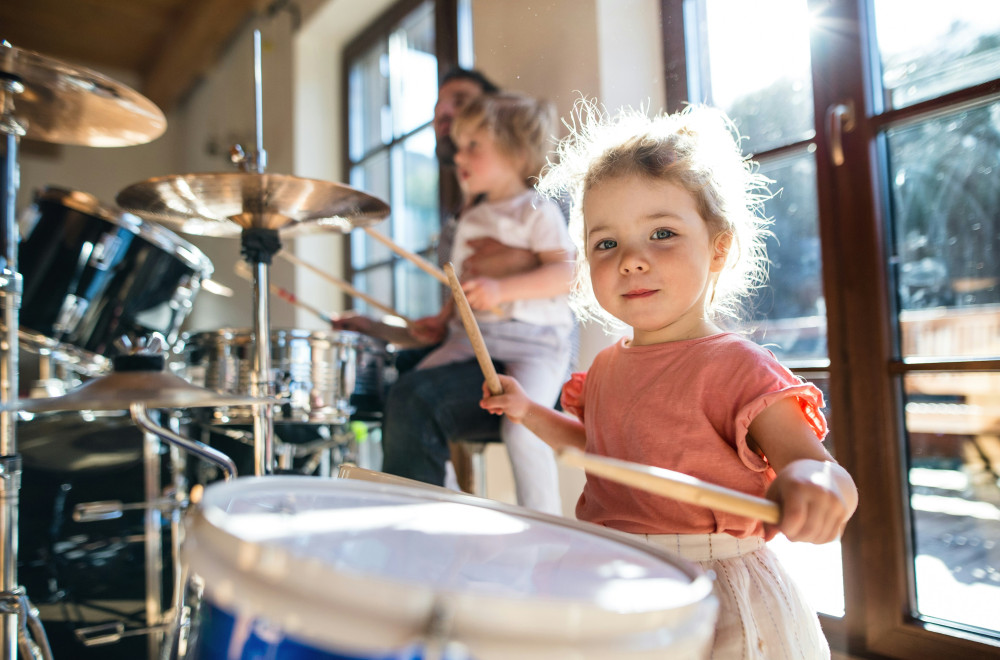
Even within families, music can be a gathering point. Singing around the dinner table, playing duets on the piano, or attending a local concert together can strengthen relationships and create lasting memories. Music becomes a shared project where everyone can take part – no matter their skill level.
How to Find a Musical Community
There are many ways to join a musical community in the U.S. – whether you’re a beginner or an experienced musician.
- Community choirs and singing groups – one of the easiest ways to experience connection through music. Many choirs welcome new members without requiring formal training.
- Amateur bands and orchestras – perfect for those who want to play with others who share a passion for a particular instrument or style.
- Music schools and community education programs – offer group classes where you can learn to play and perform together.
- Online communities – if you live in a rural area or prefer virtual collaboration, there are digital platforms where you can share recordings, get feedback, and make music across distances.
The most important thing isn’t technical skill but the willingness to participate. Musical communities are about creating something together – not about performing perfectly.
Læs også:


Music as Therapy Against Loneliness
Across the country, organizations and healthcare providers are using music as part of social and wellness initiatives. Music therapy and group singing in senior centers, hospitals, and community programs have been shown to improve mood and quality of life.
When you sing or play with others, you become part of something larger. You’re seen and heard – not as a patient, client, or participant, but as a co-creator. That sense of belonging can be a powerful antidote to isolation.
Create Your Own Musical Space
If you can’t find an existing group, start your own. It doesn’t take much – just a few people, some instruments, and a place to meet. It could be a local library, a school, a church hall, or your own living room.
Start with simple songs or rhythms and let it grow naturally. Maybe it becomes a weekly tradition, or maybe it’s just an occasional get-together. What matters most is that music becomes a reason to meet, share, and connect.
The Shared Pulse of Music
In a world where many feel alone, music can guide us back to community. It reminds us that we belong – that we can create something beautiful when we listen to one another and play in sync.
So find your voice, your instrument, or your beat – and play with others. Because within music lies a pulse that connects us all.
Læs også: