Electronic Music: From Early Experiments to Modern Digital Productions

Electronic Music: From Early Experiments to Modern Digital Productions
Electronic music is now woven into nearly every part of our soundscape—from pop hits and movie scores to commercials and club nights. Yet its roots stretch back more than a century, to a time when electricity and sound first began to intertwine. The story of electronic music is one of curiosity, experimentation, and technological innovation—and of artists who have continually expanded the boundaries of what music can be.
The First Experiments with Electricity and Sound
In the early 20th century, inventors and composers began exploring the possibilities of electrically generated sound. One of the earliest instruments was the theremin, invented by Russian physicist Léon Theremin in 1920. Played without physical contact, it produced eerie, floating tones that later became iconic in science fiction films.
By the 1930s and 1940s, composers such as Pierre Schaeffer in France and Karlheinz Stockhausen in Germany were experimenting with recorded sounds. They cut, reversed, and manipulated tape recordings of real-world noises—a technique known as musique concrète. This marked a turning point: music no longer had to be performed on traditional instruments but could be created directly from recorded and processed sound.
The Synthesizer Revolution
The 1960s brought the next major breakthrough: the synthesizer. With innovations like the Moog synthesizer, musicians could shape electrical signals into entirely new sounds. Suddenly, one person could produce an orchestra’s worth of tones using knobs, cables, and keys.
Synthesizers quickly found their way into both avant-garde compositions and popular music. American artists such as Wendy Carlos introduced electronic sound to mainstream audiences, while European groups like Kraftwerk built entire musical identities around it. By the 1970s and 1980s, synthesizers were central to pop, rock, and film music, transforming the sonic landscape of the modern era.
Læs også:


From Club Culture to a Global Movement
In the 1980s and 1990s, electronic music exploded into a worldwide phenomenon. Affordable synthesizers, drum machines, and samplers allowed more people to produce music at home. At the same time, new genres emerged: house in Chicago, techno in Detroit, and hip-hop in New York—all driven by electronic beats and innovative production.
Clubs and raves became cultural hubs where music, technology, and community merged. The DJ evolved from a background figure into a creative performer, shaping live experiences through mixing, looping, and manipulating sound. What began as underground culture soon became a global movement, influencing fashion, art, and social life.
The Digital Revolution
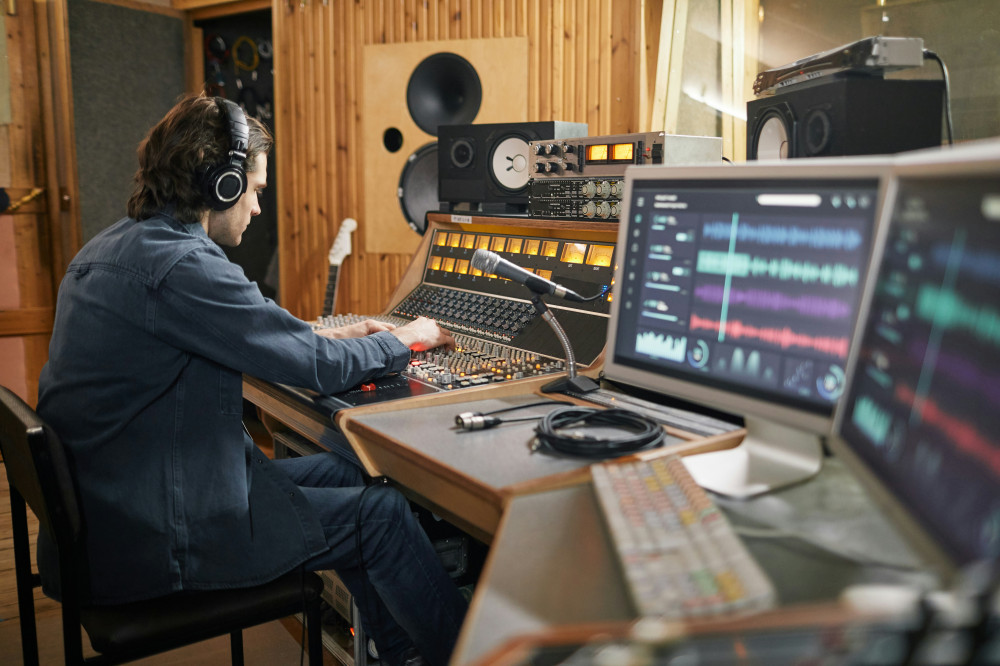
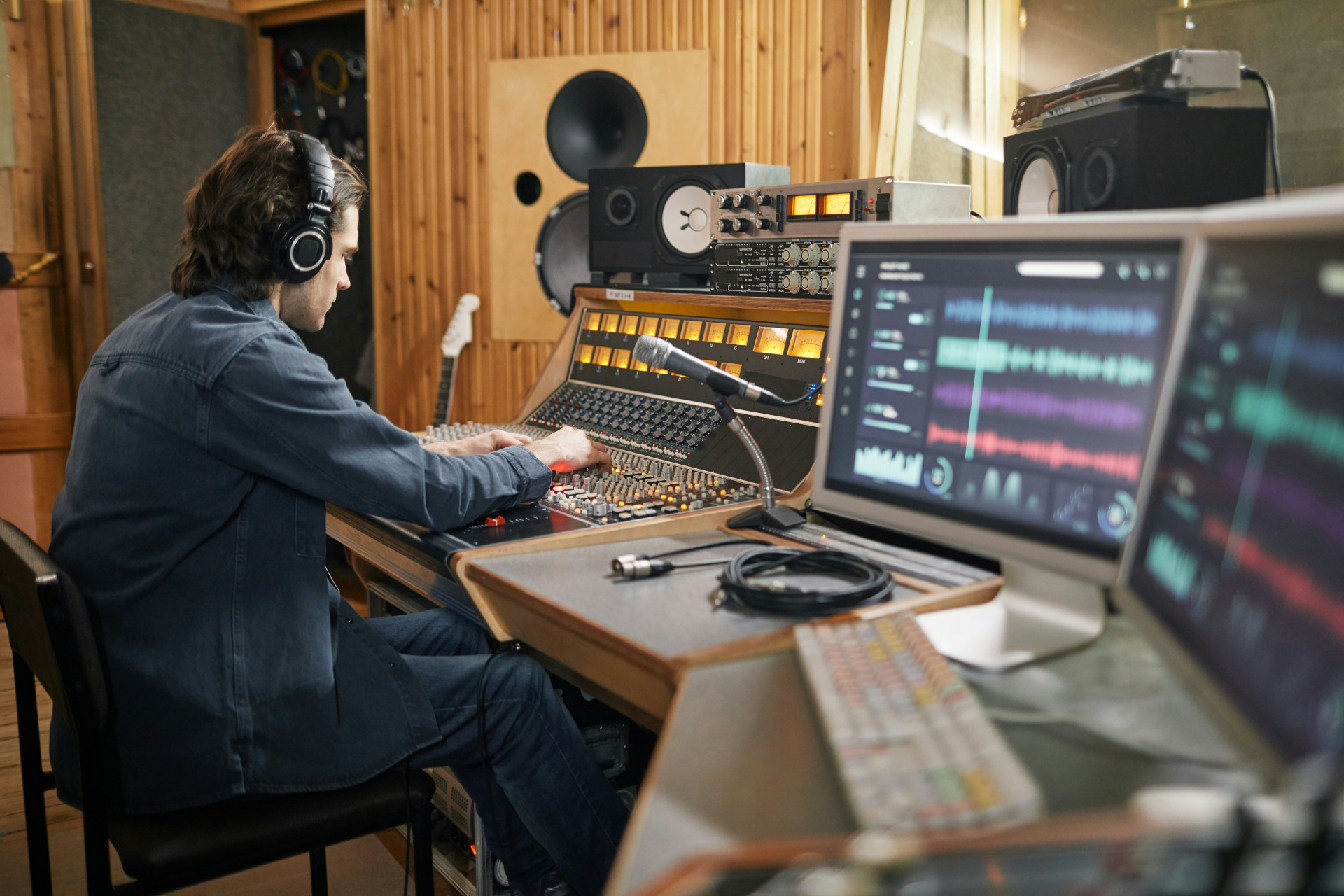
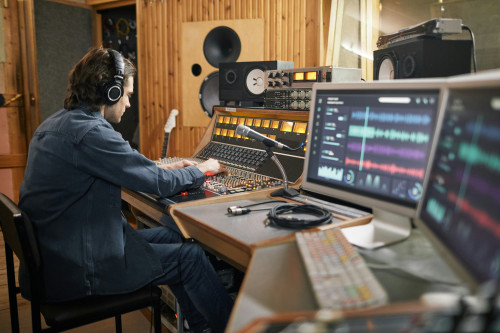
The arrival of personal computers in the 2000s transformed music production once again. Software like Ableton Live, Logic Pro, and FL Studio made it possible for anyone with a laptop to create professional-quality tracks. The internet further democratized the process, allowing artists to share and distribute their music without record labels.
Today, the boundaries between genres and technologies are more fluid than ever. Electronic music appears in everything from blockbuster film scores and pop productions to experimental sound installations. Many artists blend analog synthesizers with digital tools, combining the warmth of vintage hardware with the precision of modern software.
Electronic Music as a Creative Craft
Despite the rapid evolution of technology, the essence of electronic music remains the same: curiosity and experimentation. Creating electronic music is not just about pressing buttons—it’s about understanding sound, rhythm, and emotion. It’s a craft where art and technology meet.
For many hobbyists and professionals alike, that combination is what makes electronic music so captivating. A simple idea—a rhythm, a tone, a mood—can grow into an entire sonic universe. And with today’s digital tools, it’s easier than ever to start exploring.
From Experiment to Everyday Sound
What was once futuristic and experimental is now part of everyday life. Ringtones, movie trailers, video games, and pop songs all carry traces of electronic sound. Behind those familiar beats lies a long history of innovation and creativity.
Electronic music has shown that technology is not just a tool but an artistic language in its own right. From the earliest electrical experiments to today’s digital productions, the genre has continually challenged our understanding of what music can be—and its evolution shows no sign of slowing down.
Læs også: