From Hand Cranks to High-Tech: The Evolution of Car Equipment Through the Years

From Hand Cranks to High-Tech: The Evolution of Car Equipment Through the Years
From the days when starting a car meant turning a hand crank to today’s vehicles packed with touchscreens, sensors, and self-driving features, car equipment has come a long way. What was once a luxury is now standard, and what seems futuristic today may be commonplace tomorrow. Let’s take a look at how car equipment has evolved through the decades—and what that evolution says about America’s relationship with the automobile.
The Early Years: When Comfort Was a Crank
In the early 1900s, cars were mechanical marvels but far from comfortable. Starting the engine required muscle power—a hand crank at the front of the car got things going. Windows were rolled up manually, and heating was a rare luxury.
The dashboard was minimal: a speedometer, maybe a fuel gauge, and little else. Safety belts, airbags, and radios were unheard of. The car was purely a means of transportation, not a space for comfort or entertainment.
The 1950s and 60s: Comfort and Style Take the Wheel
After World War II, the American car industry shifted its focus toward comfort, convenience, and style. Automatic transmissions, heaters, and AM radios became common, while chrome trim and plush interiors defined the era’s design. The car radio, in particular, became a symbol of freedom and youth culture—an essential part of the American road trip.
Safety also began to enter the conversation. In 1959, Volvo introduced the three-point seat belt, and U.S. automakers soon followed with their own safety innovations. Equipment was no longer just about comfort—it was about protection.
Læs også:
The 1970s and 80s: The Rise of Electronics
The oil crises of the 1970s brought fuel efficiency to the forefront, but technology was quietly transforming the driving experience. Power windows, power steering, and central locking systems became more common. The cassette player let drivers bring their own music along for the ride, and air conditioning became a must-have feature in many American cars.
By the 1980s, onboard computers began to appear, monitoring engine performance and emissions. These early systems marked the beginning of the digital age in automotive design.
The 1990s and 2000s: From Safety to Entertainment
The 1990s saw a surge in safety and convenience features. Airbags, anti-lock brakes (ABS), and traction control became standard in many vehicles. Remote keyless entry, power-adjustable seats, and built-in navigation systems made driving easier and more comfortable.
By the 2000s, infotainment took center stage. CD players gave way to MP3 compatibility and Bluetooth connectivity, while dashboard screens became common. Cars were no longer just transportation—they were mobile entertainment hubs and expressions of personal technology.
The 2010s and Beyond: The Digital Revolution
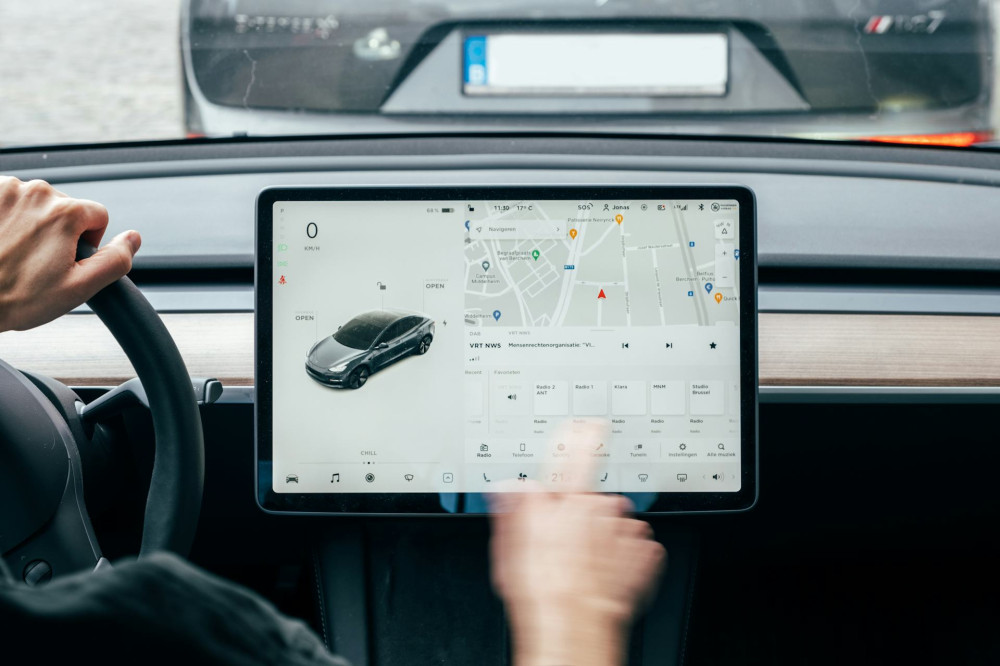
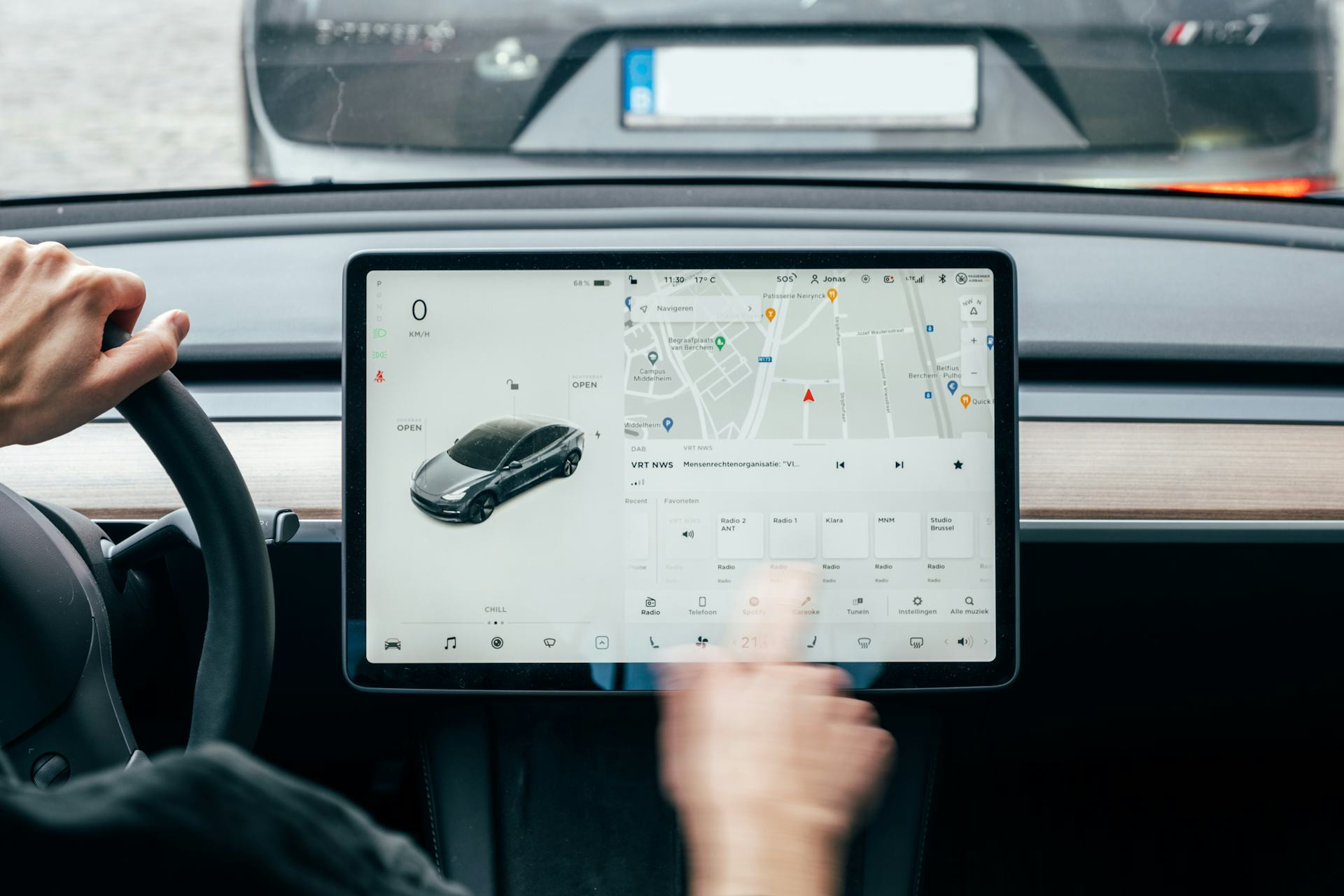
In the past decade, car equipment has undergone a digital transformation. Touchscreens, voice control, and advanced driver-assistance systems (ADAS) have become standard features. Parking sensors, adaptive cruise control, and lane-keeping assist help drivers stay safe and relaxed on the road.
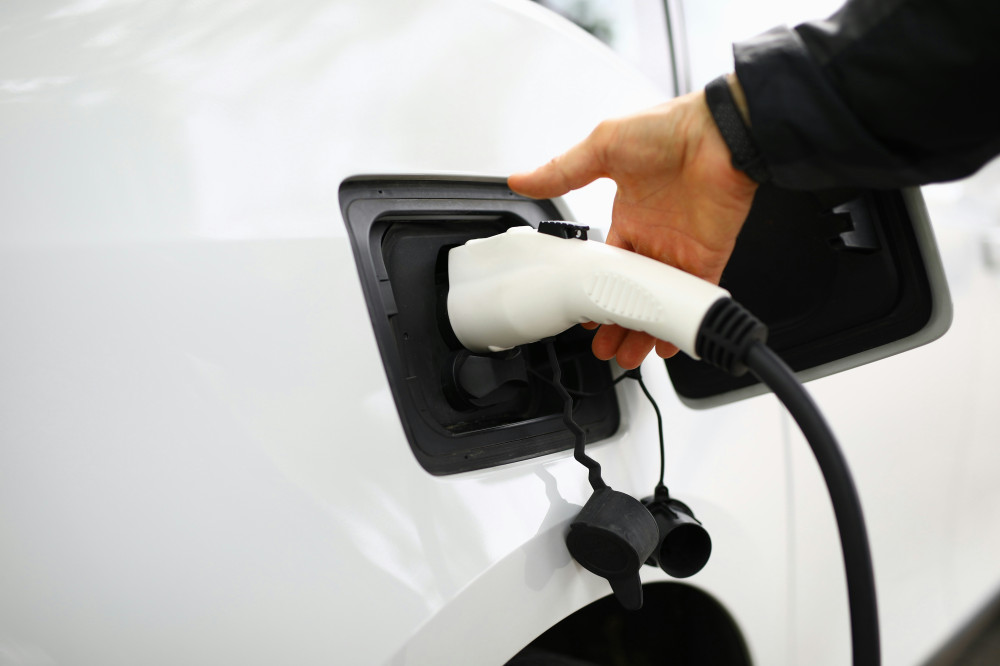
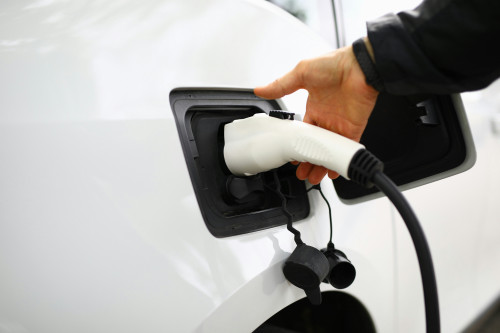
Electric vehicles have redefined what’s under the hood. Brands like Tesla, Rivian, and Ford’s electric lineup have made software the heart of the car. Over-the-air updates can now add new features or improve performance overnight—just like updating a smartphone.
The Future: From Driver to Passenger
The next frontier is autonomy. Artificial intelligence, sensors, and connectivity are paving the way for cars that can drive themselves and communicate with their surroundings. Heads-up displays, augmented reality navigation, and biometric access are already emerging.
At the same time, our relationship with cars is changing. For many Americans, it’s less about ownership and more about access—ridesharing, car subscriptions, and electric mobility services are reshaping how we think about driving. The equipment reflects this shift: from mechanical to digital, from personal to connected.
A Journey Through Technology and Time
The story of car equipment is the story of how technology evolves alongside human needs. From hand cranks to high-tech dashboards, the goal has always been the same: to make driving easier, safer, and more enjoyable. As we move toward a future of autonomous vehicles, one thing remains certain—car equipment will continue to mirror the spirit of its time.
Læs også: