Classic Cars Explained: Understanding the Mechanical Systems Behind Their Charm


Classic Cars Explained: Understanding the Mechanical Systems Behind Their Charm
There’s something undeniably captivating about classic cars. The rumble of the engine, the smell of gasoline and leather, and the tactile connection between driver and machine evoke a sense of nostalgia and craftsmanship that modern vehicles rarely match. In an age dominated by digital dashboards and driver-assist systems, classic cars stand as reminders of a time when driving was a hands-on experience. But what exactly gives these machines their enduring charm—and how do their mechanical systems work?
The Engine – The Heart of the Classic Car
In a classic car, the engine isn’t just a power source—it’s the soul of the vehicle. Most vintage models feature carbureted gasoline engines, which mix air and fuel mechanically rather than relying on today’s computer-controlled fuel injection systems. This means the engine’s performance and sound are directly influenced by the driver’s touch and the carburetor’s tuning.
Enthusiasts often celebrate this mechanical intimacy. You can hear and feel the engine’s rhythm, and small adjustments to ignition timing, air intake, or fuel mixture can dramatically change the car’s personality. It’s a living, breathing machine that responds to your care and skill.
The Transmission – When Mechanics Speak Directly to the Driver
Manual transmissions are a hallmark of classic cars, typically offering four or five gears. Unlike modern automatics, they demand precision and timing. The clutch must be felt, the shifter guided with confidence, and the engine speed matched perfectly to each gear change.
This interaction is part of the magic. When you execute a flawless shift, it feels like a conversation between human and machine—a dance of coordination and feedback. Driving becomes more than transportation; it becomes craftsmanship.
Brakes and Steering – Driving Without Electronic Assistance
Classic cars were built before the era of ABS, power steering, and electronic stability control. Their braking systems are often purely mechanical or hydraulic, and steering requires genuine muscle, especially at low speeds.
The result is a driving experience that’s far more direct. You feel the texture of the road, the weight of the car, and the feedback through the steering wheel. Every corner and stop demands attention and technique—but the reward is a sense of control and authenticity that modern cars often filter out.
Electrical Systems – Simple but Sensitive
The electrical systems in classic cars are refreshingly simple. A basic 12-volt setup powers the lights, ignition, and gauges, and many older models still use generators instead of modern alternators. This simplicity makes them easier to repair but also more vulnerable to moisture and wear.
For many owners, that’s part of the appeal. Opening the hood, tracing a fault, and fixing it with a multimeter and a bit of patience is a satisfying ritual. It’s a reminder that understanding your car is part of owning it.
Læs også:



Suspension and Ride – Comfort the Old-Fashioned Way
Classic cars often rely on straightforward suspension designs—leaf springs, torsion bars, or solid axles—and rigid chassis structures. The ride can be firm and less isolated, but it offers a raw, honest connection to the road. You feel every bump and curve, but you also sense the car’s balance and weight distribution.
This unfiltered feedback is exactly what many enthusiasts seek. Where modern cars prioritize comfort and quiet, classics deliver engagement and character.
Maintenance as Part of the Experience
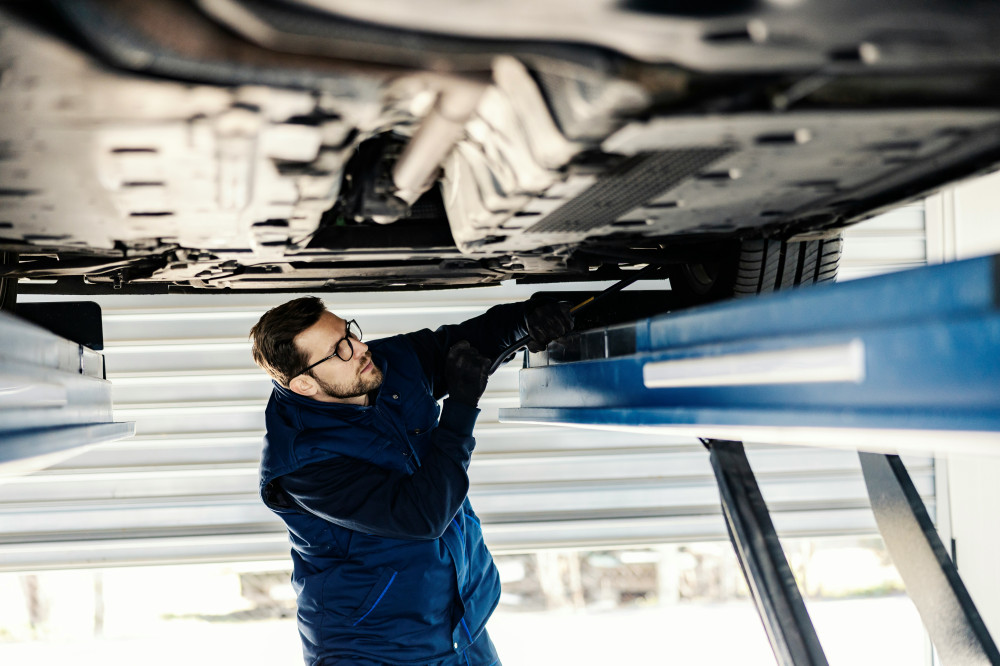
Owning a classic car isn’t just about driving—it’s about stewardship. Regular lubrication, valve adjustments, spark plug replacements, and carburetor tuning are part of the routine. Many owners find this process meditative, a way to bond with their machine and understand it down to the smallest bolt.
It takes time and patience, but the reward is a vehicle that responds to care with reliability and personality.
Why We Still Love Them
Classic cars represent an era when mechanics were visible and driving required skill. They remind us that technology isn’t only about efficiency—it’s also about experience. When you slide behind the wheel of a classic, you’re not just operating a machine; you’re participating in a living piece of history. You can hear it in the engine’s rhythm and feel it in every turn of the wheel—a timeless connection between driver, machine, and road.
Læs også: