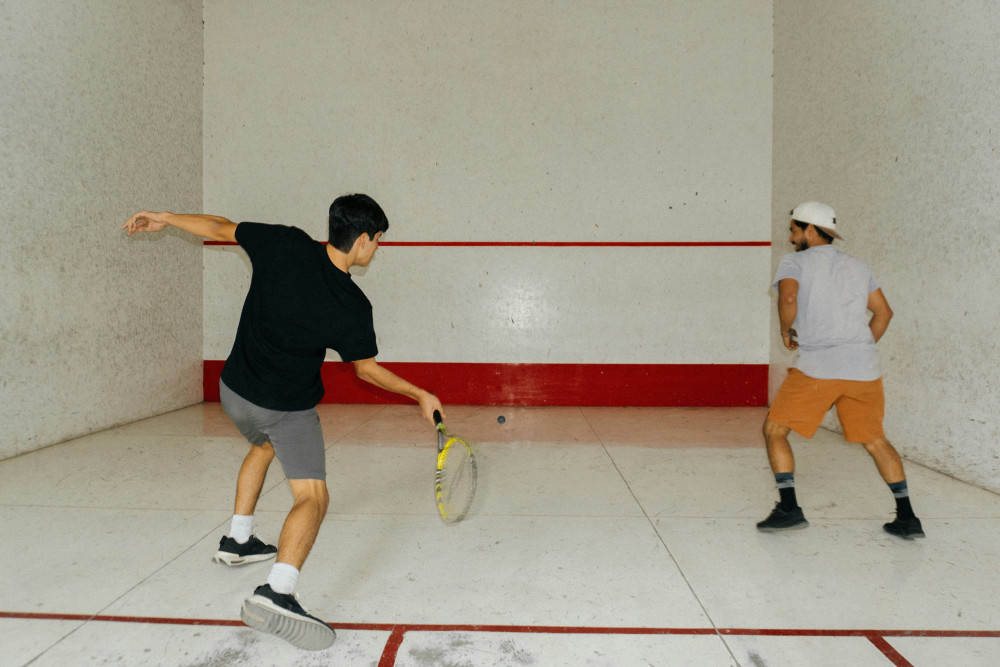
Squash rackets – inspiration for your next purchase


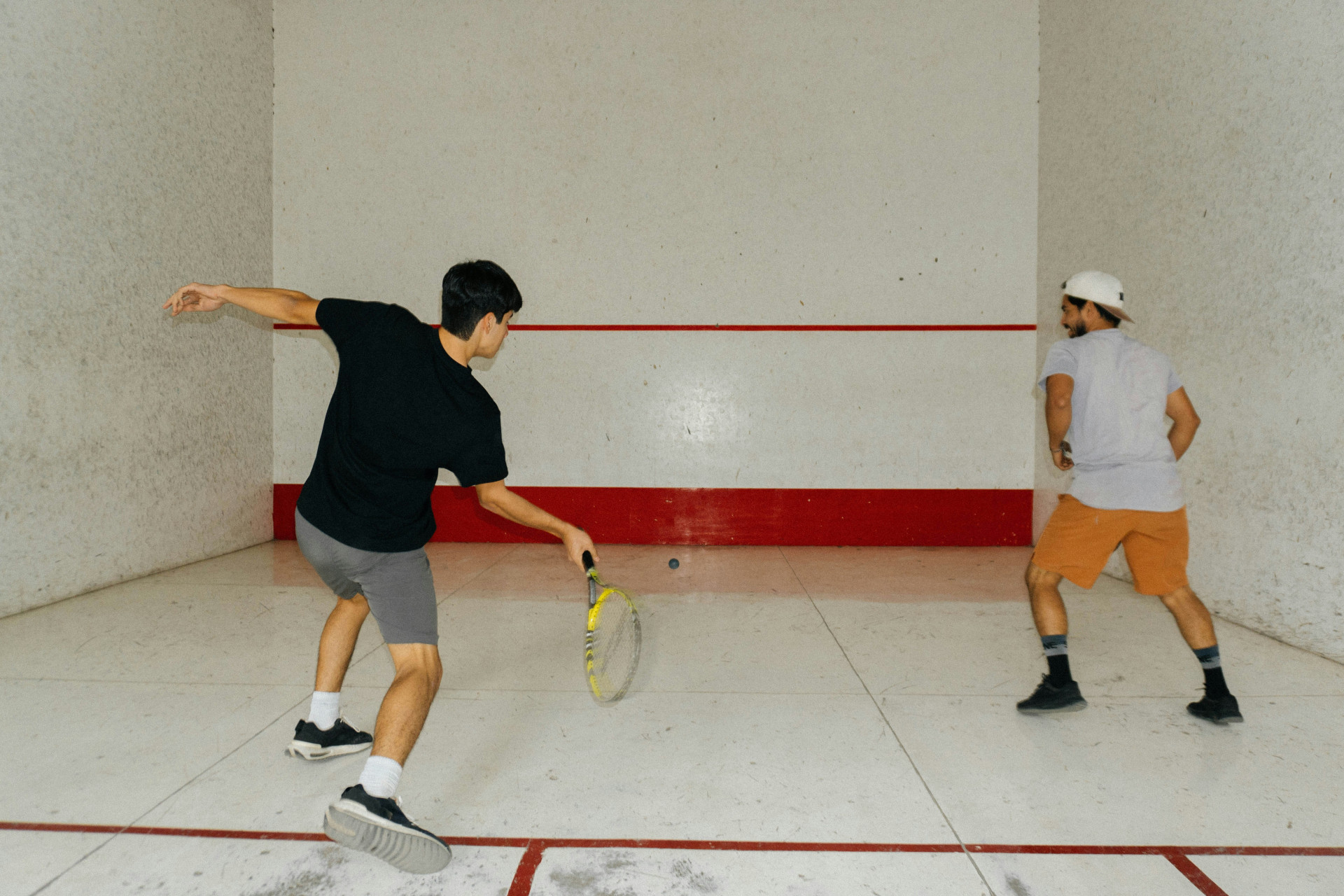
Squash rackets – inspiration for your next purchase
A squash racket is not just a tool – it’s your extended arm on the court. The choice of racket has a major impact on your game, whether you’re a beginner, recreational player or experienced competitor. With the wide range of models on the market, however, it can be challenging to find the one that best suits your playing style and level.
In this article, you’ll get an overview of the most important factors to consider before buying a squash racket, as well as an introduction to the different types and brands that dominate the market.
The article presents a wide selection of squash rackets in different price ranges and with varying characteristics. The aim is to provide an informative overview of the most relevant features so you can more easily assess which type of racket best suits your needs. The product information is based on publicly available descriptions from manufacturers and retailers, summarised to provide a clear and neutral overview.
Factors to consider when buying a squash racket
When choosing a squash racket, you should take into account weight, balance, materials and string pattern. These factors affect how the racket feels in your hand and how it responds during play.
1. Weight
Squash rackets typically weigh between 110 and 170 grams. A lighter racket provides faster swings and better manoeuvrability, which suits players who prioritise control and quick reactions. A heavier racket provides more power in shots and can be advantageous for players who want extra hitting strength.
2. Balance point
The balance point describes whether the weight is distributed towards the head or the handle. A head-heavy racket provides more power, while a head-light racket offers better control and quicker movement. An evenly balanced racket offers a compromise between the two.
3. Materials
Most modern squash rackets are made of graphite or carbon fibre, which provide a good combination of strength and low weight. Some models include titanium or nanotechnology for extra stiffness and durability. The choice of material affects both feel and precision.
4. String pattern and tension
A dense string pattern provides better control, while a more open pattern can give extra power and spin. String tension also matters – high tension gives precision, while low tension increases ball speed. It can be beneficial to experiment to find the combination that best suits your playing style.
5. Grip and comfort
A good grip is essential to avoid strain and ensure a firm hold. Make sure the grip size fits your hand, and replace the grip regularly to maintain comfort and control.
Products in focus
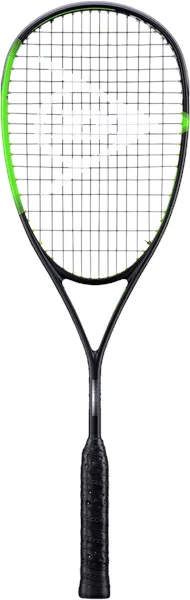
The Dunlop Soniccore Elite 135 HL is designed for the experienced squash player who wants a racket with a balanced combination of power and control. With a weight of 135 grams and a head-light balance, it provides quick manoeuvrability and precise ball handling.
The frame is made with Sonic Core technology, where selected areas consist of Infinergy® material. This material contributes to increased elasticity, reduced vibrations, and better energy utilisation with each shot.
With a head size of 500 cm², the racket offers a solid sweet spot that supports both precision and stability during play. It is therefore an ideal choice for players who want a technical racket with modern materials and well-balanced performance.
- Sonic Core technology: Reduces vibrations and improves energy transfer on impact.
- Infinergy® material: Provides increased elasticity and low weight.
- Head Light balance: Makes the racket quick and easy to manoeuvre.
- Weight of 135 g: Combines stability with quick responsiveness.
- Head size of 500 cm²: Provides a good sweet spot for precise shots.
Pros and cons
- Low weight and head-light balance for quick manoeuvring
- Advanced material technology with Sonic Core and Infinergy®
- Good combination of control and power
- Suitable for advanced and elite players
- May feel too light for players who prefer heavier rackets
- Requires technical precision to fully utilise its potential
Pros and cons
Pros
- Low weight and head-light balance for quick manoeuvring
- Advanced material technology with Sonic Core and Infinergy®
- Good combination of control and power
- Suitable for advanced and elite players
Cons
- May feel too light for players who prefer heavier rackets
- Requires technical precision to fully utilise its potential
Pros
- Low weight and head-light balance for quick manoeuvring
- Advanced material technology with Sonic Core and Infinergy®
- Good combination of control and power
- Suitable for advanced and elite players
Cons
- May feel too light for players who prefer heavier rackets
- Requires technical precision to fully utilise its potential
Specifications
- Manufacturer: Dunlop
- Model: DU302632IONE SIZE
- EAN: 0045566201164
- Item number: 3135693
- Weight: 135 g
- Balance: Head Light
- Head size: 500 cm²
- Material: Sonic Core with Infinergy®
Product descriptions
The Dunlop Soniccore Elite 135 HL is designed for the experienced squash player who wants a racket with a balanced combination of power and control. With a weight of 135 grams and a head-light balance, it provides quick manoeuvrability and precise ball handling.
The frame is made with Sonic Core technology, where selected areas consist of Infinergy® material. This material contributes to increased elasticity, reduced vibrations, and better energy utilisation with each shot.
With a head size of 500 cm², the racket offers a solid sweet spot that supports both precision and stability during play. It is therefore an ideal choice for players who want a technical racket with modern materials and well-balanced performance.
- Sonic Core technology: Reduces vibrations and improves energy transfer on impact.
- Infinergy® material: Provides increased elasticity and low weight.
- Head Light balance: Makes the racket quick and easy to manoeuvre.
- Weight of 135 g: Combines stability with quick responsiveness.
- Head size of 500 cm²: Provides a good sweet spot for precise shots.
Pros and cons
- Low weight and head-light balance for quick manoeuvring
- Advanced material technology with Sonic Core and Infinergy®
- Good combination of control and power
- Suitable for advanced and elite players
- May feel too light for players who prefer heavier rackets
- Requires technical precision to fully utilise its potential
Pros and cons
Pros
- Low weight and head-light balance for quick manoeuvring
- Advanced material technology with Sonic Core and Infinergy®
- Good combination of control and power
- Suitable for advanced and elite players
Cons
- May feel too light for players who prefer heavier rackets
- Requires technical precision to fully utilise its potential
Pros
- Low weight and head-light balance for quick manoeuvring
- Advanced material technology with Sonic Core and Infinergy®
- Good combination of control and power
- Suitable for advanced and elite players
Cons
- May feel too light for players who prefer heavier rackets
- Requires technical precision to fully utilise its potential
Specifications
- Manufacturer: Dunlop
- Model: DU302632IONE SIZE
- EAN: 0045566201164
- Item number: 3135693
- Weight: 135 g
- Balance: Head Light
- Head size: 500 cm²
- Material: Sonic Core with Infinergy®
Different types of squash rackets
There are several types of squash rackets, each aimed at different playing styles and levels.
1. Control rackets
These rackets often have a smaller head and a more evenly balanced weight distribution. They are ideal for players who prioritise precision and placement over pure power. Control rackets are often used by experienced players with well-developed technique.
2. Power rackets
Power rackets typically have a larger head and a head-heavy balance, which provides extra speed in shots. They suit players who want to generate power without using too much energy in the swing.
3. All-round rackets
All-round models combine elements from both control and power rackets and are suitable for players who want flexibility. They are often a good choice for recreational and intermediate players.
4. Lightweight rackets
Lightweight rackets provide faster reactions and make it easier to play close to the wall. They are popular among players who focus on speed and precision in their game.
Different brands of squash rackets
The squash racket market is dominated by a number of well-known manufacturers, each with their own strengths and areas of focus.
Dunlop
Dunlop is one of the most recognised brands in squash and offers a wide range of rackets for all levels. The brand is known for quality, durability and a good selection of control-oriented models.
Tecnifibre
Tecnifibre focuses on innovation and precision. Their rackets are popular among professional players and known for combining low weight with high stability and precise ball feel.
Head
Head produces rackets with advanced materials and technologies that provide a good balance between power and control. The brand caters to both beginners and elite players.
Prince
Prince has been a strong player in racket sports for many years and offers models focused on comfort and power. Their rackets are often equipped with technologies that reduce vibrations and improve ball feel.
Wilson
Wilson is known for versatile rackets that combine modern design with solid performance. The brand offers both lightweight models and powerful rackets to suit different playing styles.
Frequently asked questions
Which squash racket is best for beginners?
Beginners should choose a light and evenly balanced racket that provides good control and comfort. An all-round model is often a good starting point, as it makes it easier to develop technique and timing.
How long does a squash racket last?
Durability depends on use and maintenance. A racket can typically last several years, but strings should be replaced regularly, especially if they lose tension or become loose.
Should I choose a heavy or light racket?
It depends on your playing style. A light racket provides faster reactions and better control, while a heavier model can give more power in shots. Try different weights to find your preference.
What does the balance point mean?
The balance point indicates where the weight is concentrated. A head-heavy racket provides more power, while a head-light racket offers better manoeuvrability. A neutral balance gives a good combination of both.
How do I maintain my squash racket?
Avoid hitting the racket against the walls, and store it in a protective cover. Check the strings regularly and replace the grip when it becomes worn to maintain comfort and control.
Læs også: