Sleep and Well-Being: How to Support Children in Developing Healthy Sleep Habits

Sleep and Well-Being: How to Support Children in Developing Healthy Sleep Habits
Sleep is one of the most important foundations for children’s health, learning, and emotional balance. Yet many families struggle with bedtime battles, restless nights, and early mornings. Good sleep is not only about how many hours children get, but also about the quality of that sleep and the routines that support it. Here’s what parents can do to help their children develop healthy sleep habits that last.
Why Sleep Matters So Much
Children need more sleep than adults because their bodies and brains are still growing. During sleep, the brain processes new information, strengthens memory, and supports physical growth and immune function. When children don’t get enough rest, it can show up as irritability, difficulty focusing, or lower motivation at school.
Research from the American Academy of Sleep Medicine shows that children who sleep enough and on a regular schedule tend to do better emotionally, socially, and academically. They are more resilient, better able to handle stress, and more engaged in daily life.
Læs også:

Know Your Child’s Sleep Needs
Sleep needs vary by age, but general guidelines are:
- Toddlers (1–3 years): 11–14 hours per day, including naps
- Preschoolers (3–5 years): 10–13 hours
- School-age children (6–12 years): 9–12 hours
- Teenagers: 8–10 hours
Consistency is key. A child who goes to bed and wakes up at roughly the same time every day—even on weekends—develops a more stable internal clock, making it easier to fall asleep and wake up naturally.
Create a Calming Bedtime Routine
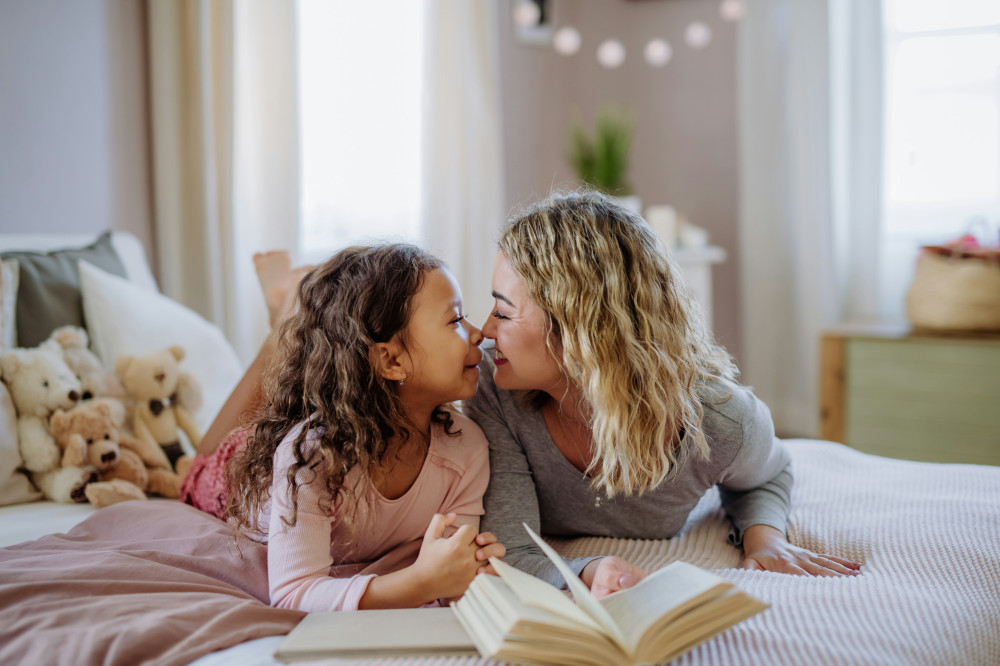
A predictable bedtime routine helps children wind down and signals that the day is coming to an end. This might include brushing teeth, putting on pajamas, reading a story, and sharing a quiet moment together.
Try to avoid screens—TVs, tablets, and phones—during the hour before bedtime. The blue light from screens can interfere with the body’s production of melatonin, the hormone that helps us fall asleep. Instead, choose calm activities like reading, drawing, or listening to soft music.
Make sure the bedroom is dark, cool, and quiet. A comfortable and safe sleep environment helps children relax and fall asleep more easily.
Handle Sleep Challenges with Patience
It’s normal for children to go through phases of restless sleep—whether due to growth spurts, nightmares, or changes in routine. The key is to respond with calm and consistency.
If your child gets out of bed repeatedly, gently guide them back without long discussions. Repetition and reassurance help them learn that nighttime is for sleeping. For nightmares, talk about the dream the next day and find small comfort rituals, such as a nightlight or a favorite stuffed animal.
The Connection Between Sleep and Well-Being
When children sleep well, they are better able to regulate emotions, concentrate, and interact positively with others. Lack of sleep, on the other hand, can lead to mood swings, conflicts, and lower resistance to stress and illness.
Parents can support overall well-being by creating a balanced daily rhythm that includes physical activity, outdoor time, and regular meals. These habits not only promote better sleep but also strengthen children’s physical and mental health.
Be Patient and Realistic
Changing sleep habits takes time. It requires patience, consistency, and small, steady steps. Start with one change—like setting a consistent bedtime or turning off screens earlier in the evening—and build from there.
Remember that every child is different. Some fall asleep quickly, while others need more time to unwind. The goal is not perfection but creating a sense of safety and predictability around sleep.
An Investment in the Future
Healthy sleep habits are a lifelong gift. When children learn to listen to their bodies and value rest, they build a foundation for learning, emotional balance, and long-term well-being.
As a parent, you can’t control every night, but you can create the best possible conditions for restful sleep—helping your child grow, thrive, and greet each new day with energy and joy.
Læs også: