Plan Your Garden for the Changing Seasons: Create a Vibrant Look Year-Round

Plan Your Garden for the Changing Seasons: Create a Vibrant Look Year-Round
A garden that evolves with the seasons brings color, texture, and life to your outdoor space all year long. It’s not just about flowers—it’s about creating a balanced design where plants, structures, and materials work together, from spring’s first blooms to winter’s quiet beauty. With a bit of planning, you can enjoy a garden that always has something to offer, no matter the month or the weather.
Spring – When the Garden Awakens
Spring is the season of renewal. After winter’s rest, the garden bursts back to life with fresh growth and bright colors. This is the time to set the tone for the year ahead.
Plant early bloomers like crocus, daffodils, and tulips to bring color as soon as the ground thaws. Shrubs such as forsythia, lilac, and flowering quince add height and fragrance while attracting pollinators. Perennials like columbine, bleeding heart, and lungwort fill in the gaps and create lush layers of texture.
Spring is also the time for essential maintenance—pruning, fertilizing, and preparing the soil. A strong start now ensures healthy growth through the rest of the year.
Læs også:


Summer – Color, Abundance, and Life
Summer is the garden’s high season, when everything is in full bloom. It’s the time to enjoy the results of your spring efforts and create inviting spaces for relaxation and outdoor living.
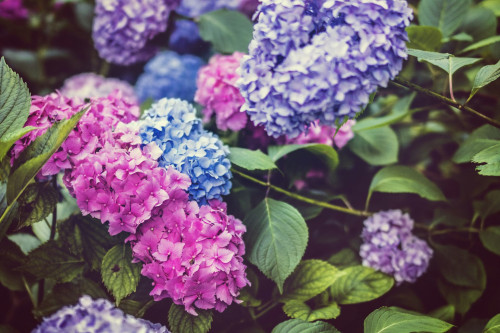
Think in layers of color and height: coneflowers, black-eyed Susans, and daylilies bring bold hues, while lavender, salvia, and catmint add fragrance and attract bees and butterflies. Ornamental grasses and shrubs provide structure and balance.
Add container gardens with annuals like petunias, verbena, and geraniums for flexibility—you can move them around to refresh your garden’s look throughout the season. Don’t forget to include native plants that support local pollinators and wildlife, keeping your garden buzzing with life.
Fall – Nature’s Grand Finale
Fall is the season of rich color and texture. As leaves turn shades of gold, red, and copper, the garden takes on a warm, glowing character. Plan for trees and shrubs that shine in autumn, such as maples, dogwoods, and burning bush.
Late-blooming perennials like asters, goldenrod, and sedum keep the garden lively as summer flowers fade. Fall is also the perfect time to plant new trees and shrubs—the soil is still warm, and roots can establish before winter sets in.
Leave some seed heads and dried flowers standing. They add structure to the winter garden and provide food for birds and other wildlife.
Winter – Structure, Texture, and Serenity
Even in winter, your garden can be beautiful. When flowers rest, the shapes and textures of evergreens, trees, and hardscaping take center stage.
Use evergreens like boxwood, holly, and juniper to create form and color through the cold months. Ornamental grasses and perennials left standing add graceful silhouettes that catch frost and snow. A bird feeder or heated birdbath brings movement and life to the quiet landscape.
Consider adding outdoor lighting—soft spotlights or string lights can highlight your garden’s structure and create a cozy atmosphere on long winter nights.
Planning – The Key to Year-Round Beauty
A garden that thrives in every season starts with thoughtful planning. Begin by mapping your space and noting areas of sun, shade, and wind exposure. Think in layers: trees and shrubs for structure, perennials and flowers for color, and groundcovers or grasses for continuity.
Create a bloom calendar to ensure something is always in season. Visit local nurseries throughout the year to see what’s flowering and when—it’s the best way to plan for continuous interest.
Finally, remember that a garden doesn’t have to be perfect. The most beautiful gardens feel alive and reflect the rhythm of the seasons—just like nature itself.
Læs også: