Less Sugar and Fat in Baked Goods – Without Compromising Taste or Texture

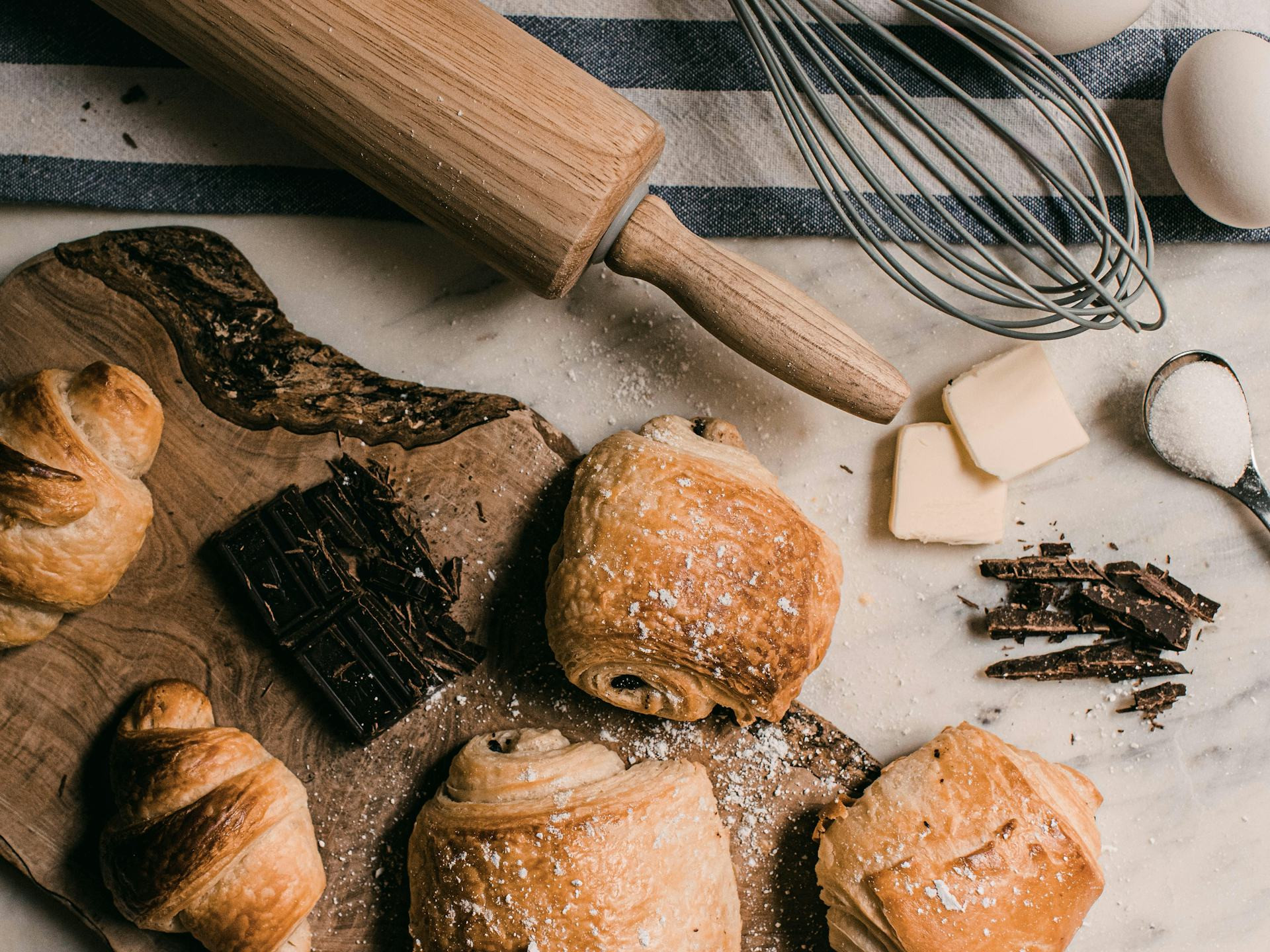
Less Sugar and Fat in Baked Goods – Without Compromising Taste or Texture
Few things are as comforting as the smell of freshly baked cookies, muffins, or bread. But for many Americans, the thought of all that sugar and butter can make us hesitate before preheating the oven. The good news? You don’t have to choose between flavor and health. With a few smart adjustments, you can cut down on sugar and fat in your baked goods—without losing the sweetness, moisture, or satisfying texture that makes them irresistible.
Understanding the Role of Sugar and Fat
Before you start tweaking your favorite recipes, it helps to understand what sugar and fat actually do in baking. Sugar doesn’t just make things sweet—it also affects color, moisture, and structure. Fat, on the other hand, adds tenderness, richness, and that melt-in-your-mouth feel. Remove too much of either, and your cake or cookies can turn out dry or dense.
The key isn’t to eliminate them completely, but to find a better balance and use smarter substitutes.
How to Reduce Sugar—Without Losing Sweetness
Cutting back on sugar doesn’t mean your treats have to taste bland. Try these strategies:
- Use naturally sweet ingredients like ripe bananas, unsweetened applesauce, or pureed dates. They add both sweetness and moisture, allowing you to reduce added sugar by up to one-third.
- Enhance flavor with spices and extracts. Vanilla, cinnamon, nutmeg, and citrus zest can make baked goods taste sweeter even with less sugar.
- Experiment with different sweeteners. Brown sugar, coconut sugar, or maple syrup have deeper flavors, so you can often use less.
- Reduce gradually. If a recipe calls for one cup of sugar, try using three-quarters next time. Chances are, you won’t even notice the difference.
Cutting Fat—While Keeping It Moist and Tender
Fat gives baked goods their soft texture and rich flavor, but you can often reduce it without sacrificing quality.
- Replace half the butter with applesauce, mashed banana, or Greek yogurt in cakes and muffins. These add moisture and help bind the batter.
- Use oil instead of butter in some recipes—especially quick breads and spice cakes. Oil distributes more evenly and can create a softer crumb.
- Add a bit of extra liquid (like milk or buttermilk) if the batter seems dry after reducing fat.
- Choose lower-fat dairy options, but remember that a little fat carries a lot of flavor. Combining a small amount of butter with yogurt or milk can strike the perfect balance.
Læs også:
Add Whole Grains and Fiber for Better Texture and Nutrition
When you reduce sugar and fat, you can boost satisfaction and structure by adding whole grains or fiber-rich ingredients.
- Replace one-third of the all-purpose flour with whole wheat flour, oats, or almond flour.
- Add grated vegetables like carrot, zucchini, or beet to cakes and muffins—they bring moisture, natural sweetness, and color.
- Mix in nuts, seeds, or shredded coconut for extra crunch and nutrients.
These additions make your baked goods more interesting and help balance the flavors naturally.
Keeping the Flavor and Texture You Love
When adjusting a recipe, start small and test in smaller batches. Taste as you go, and remember that baked goods often taste sweeter once cooled—so resist the urge to add more sugar while they’re still warm.
Another trick is to focus on texture and contrast: a crisp crust, a moist center, or a sprinkle of nuts on top can make a lighter version feel just as indulgent as the original.
Start with Recipes That Are Easy to Modify
Some baked goods are more forgiving than others. Muffins, banana bread, carrot cake, and hearty rolls are great places to start because they naturally include moist ingredients. Cookies and pies require more precision, but even there, small changes can make a big difference.
A Healthier Way to Enjoy Baking
Baking with less sugar and fat isn’t about giving things up—it’s about baking smarter. Once you understand how ingredients work together, you can create recipes that taste amazing and feel better to eat. It’s a gradual process of finding your own balance—and you might just discover that lighter, healthier baked goods can be every bit as satisfying as the classics.
Læs også: