Gear Comparison: City Bike, Road Bike, or Mountain Bike?

Gear Comparison: City Bike, Road Bike, or Mountain Bike?
Choosing a new bike can feel overwhelming with so many options available. Should you go for a practical city bike, a speedy road bike, or a rugged mountain bike? The right choice depends on where and how you ride—and what you value most in comfort, speed, and versatility. Here’s a comparison of the three most popular types to help you find the one that fits your lifestyle.
City Bike – Comfort and Convenience for Everyday Riding
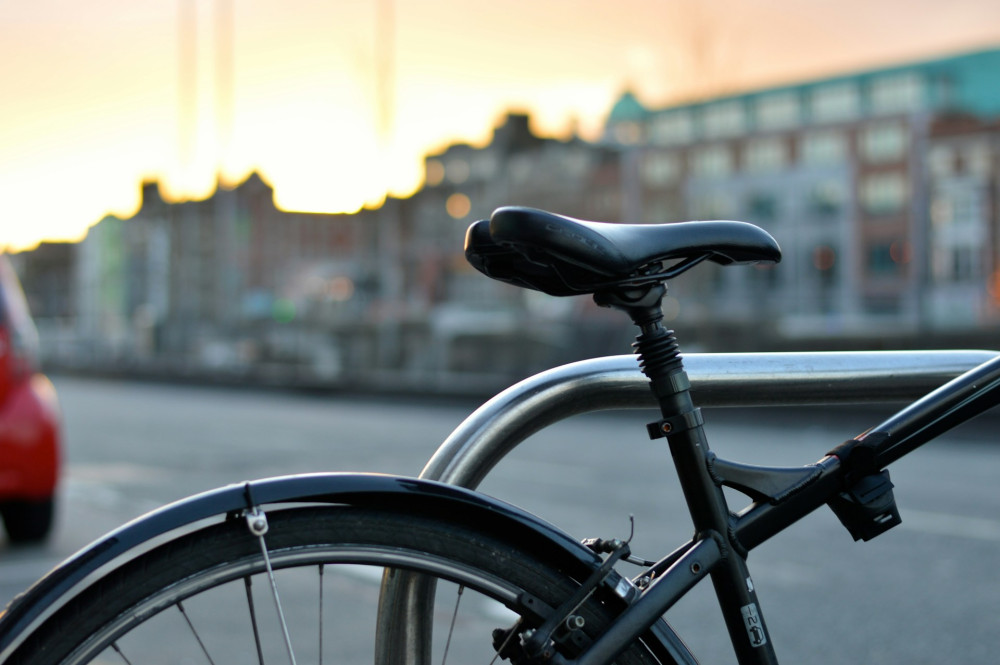
A city bike, often called a commuter or urban bike, is designed for short to medium rides around town. It prioritizes comfort and practicality over speed, with an upright riding position that gives you a clear view of traffic.
Pros:
- Comfortable and stable: A wide saddle, upright handlebars, and sturdy frame make it easy to ride in regular clothes.
- Low maintenance: Many city bikes use internal gear hubs and chain guards, which require little upkeep.
- Practical features: Fenders, racks, kickstands, and built-in lights are often included.
Cons:
- Heavier and slower: The solid build makes it less efficient for long rides or steep hills.
- Limited terrain: Best suited for paved roads and smooth paths, not gravel or trails.
A city bike is ideal if you mostly ride to work, run errands, or cruise around your neighborhood and want a reliable, comfortable ride.
Road Bike – Speed and Efficiency on the Pavement
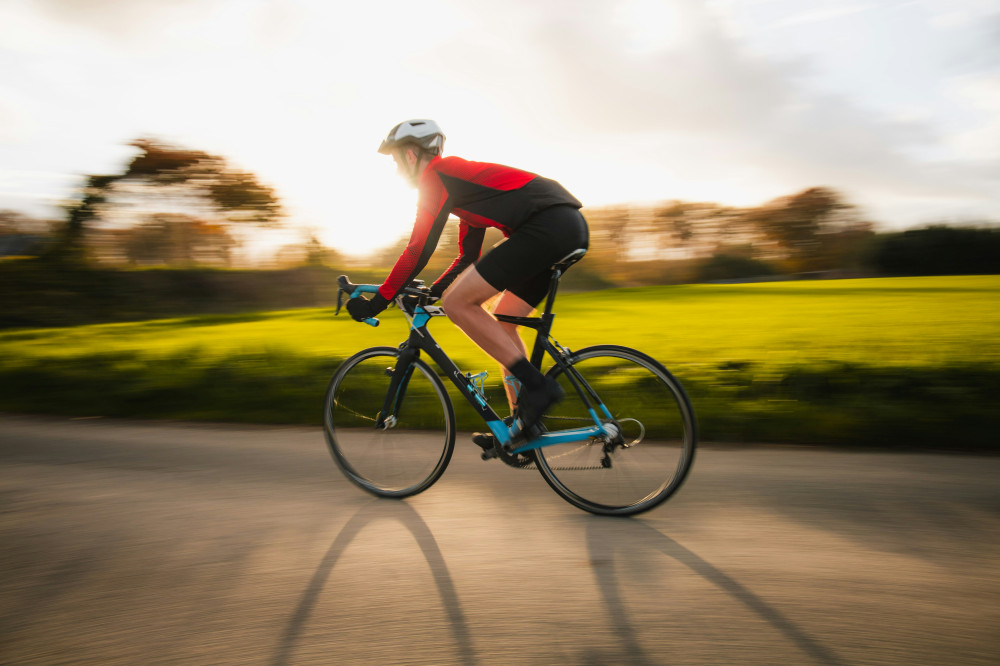
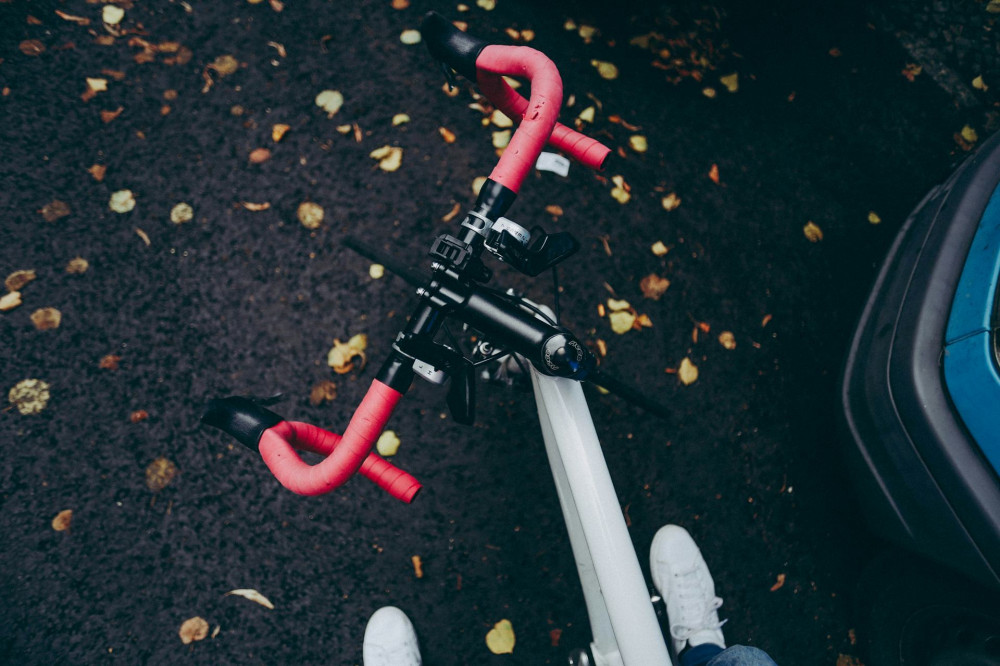
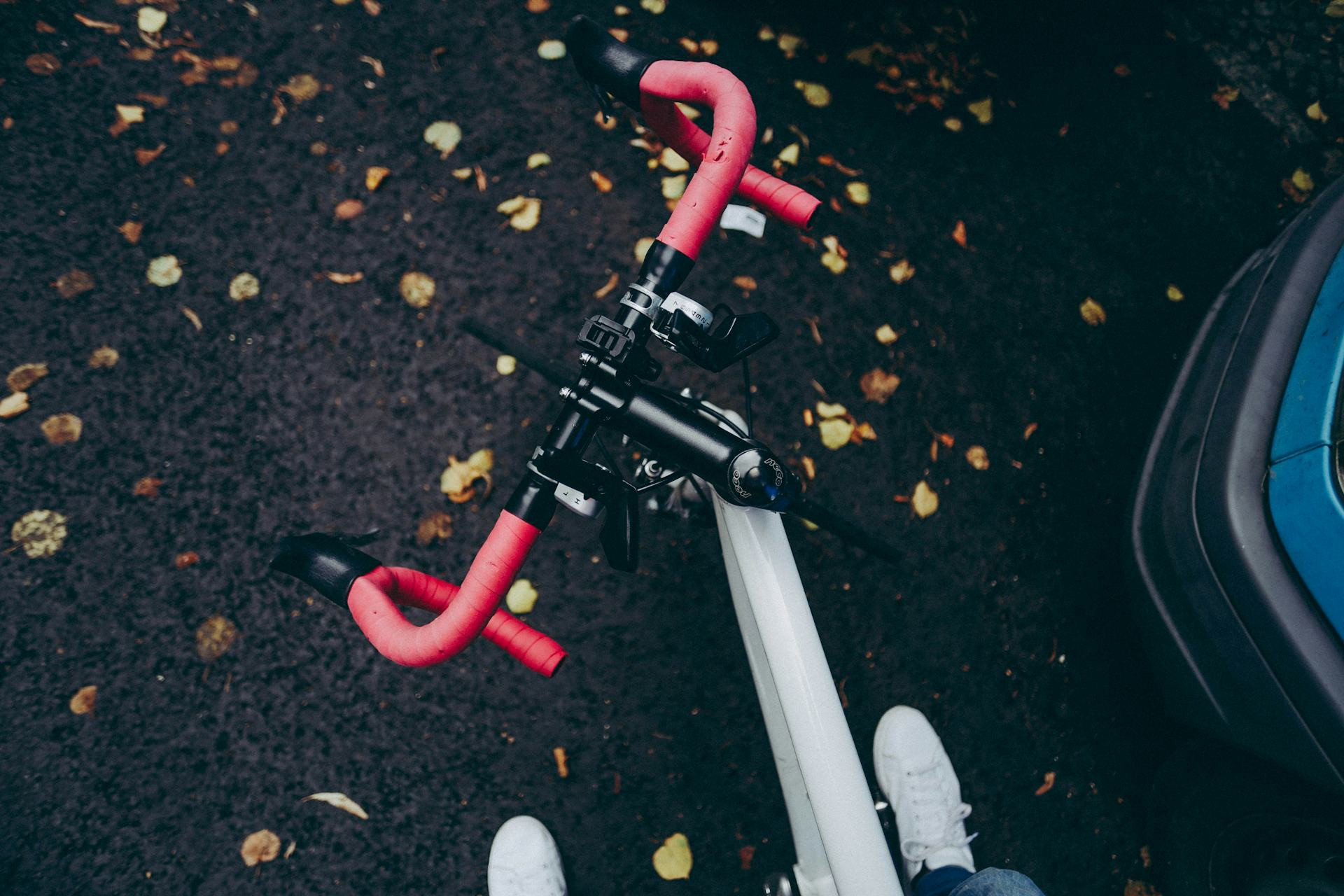
Road bikes are built for performance. With lightweight frames, narrow tires, and a forward-leaning position, they’re perfect for long rides on smooth pavement and for riders who enjoy pushing their limits.
Pros:
- Fast and lightweight: You’ll get the most out of your effort on flat or rolling roads.
- Precise gearing: Multiple gears let you fine-tune resistance for climbs and descents.
- Great for fitness: Perfect for training, long-distance rides, or weekend group rides.
Cons:
- Less comfortable: The aggressive position and firm saddle take some getting used to.
- Not for rough surfaces: Thin tires and stiff frames don’t handle gravel or potholes well.
- More maintenance: The drivetrain and brakes need regular cleaning and adjustment.
A road bike suits riders who love speed, fitness, and open roads—and don’t mind trading a bit of comfort for performance.
Mountain Bike – Adventure and Durability Off the Beaten Path
Mountain bikes are made to handle everything from forest trails to rocky climbs and muddy tracks. With wide tires, suspension, and a strong frame, they’re built for control and durability—and can even double as a city bike if you prefer extra stability.
Pros:
- Excellent control: Wide tires and powerful brakes provide traction and confidence on uneven terrain.
- Versatile: Can be used off-road or adapted for commuting with smoother tires.
- Durable: Designed to withstand bumps, dirt, and heavy use.
Cons:
- Slower on pavement: Knobby tires and suspension absorb energy on smooth roads.
- More maintenance: Suspension and gears need regular checks and tuning.
- Less aerodynamic: The upright position is less efficient for long-distance rides.
A mountain bike is perfect if you love nature, adventure, and exploring trails—or just want a bike that can handle a bit of everything.
Which Bike Fits You Best?
Your choice depends on how you plan to ride:
- For daily commuting and errands: Choose a city bike—it’s practical, stable, and easy to maintain.
- For fitness and long rides: Go with a road bike for speed, efficiency, and performance.
- For outdoor fun and versatility: Pick a mountain bike that can tackle trails and rough terrain.
If you want a mix of features, consider a hybrid bike, which blends the comfort of a city bike with the lightness of a road bike or the toughness of a mountain bike. It’s a great all-around option for many riders.
Læs også:

Making the Right Choice
Before you decide, test-ride a few models. A short spin can tell you a lot about how a bike feels and whether it fits your body and riding style. Also, think about practical details like gear range, brakes, tire width, and whether you’ll need mounts for racks or fenders.
The best bike is the one you’ll actually enjoy riding—whether it’s for commuting, fitness, or weekend adventures.
Læs også: