From Grape to Wine: The Key Steps in Winemaking

From Grape to Wine: The Key Steps in Winemaking
Wine is the result of a remarkable blend of nature, craftsmanship, and science. From the first ripening grapes on the vine to the finished wine in your glass, each step in the process shapes the flavor, aroma, and character of the final product. Here’s a look at the essential stages of winemaking, as practiced in vineyards and wineries across the United States and around the world.
Harvest – Timing Is Everything
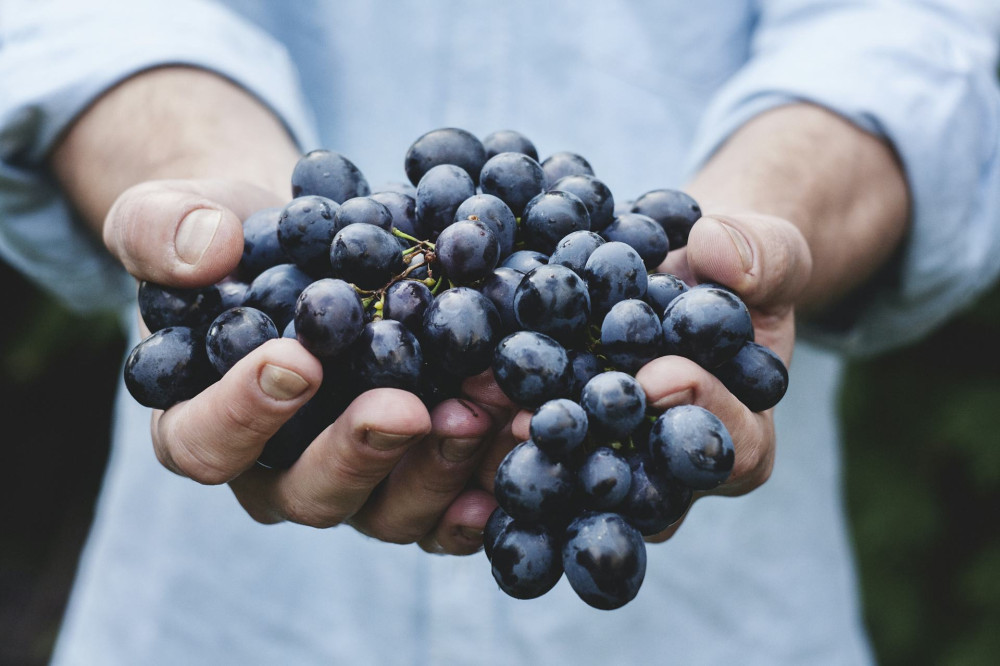
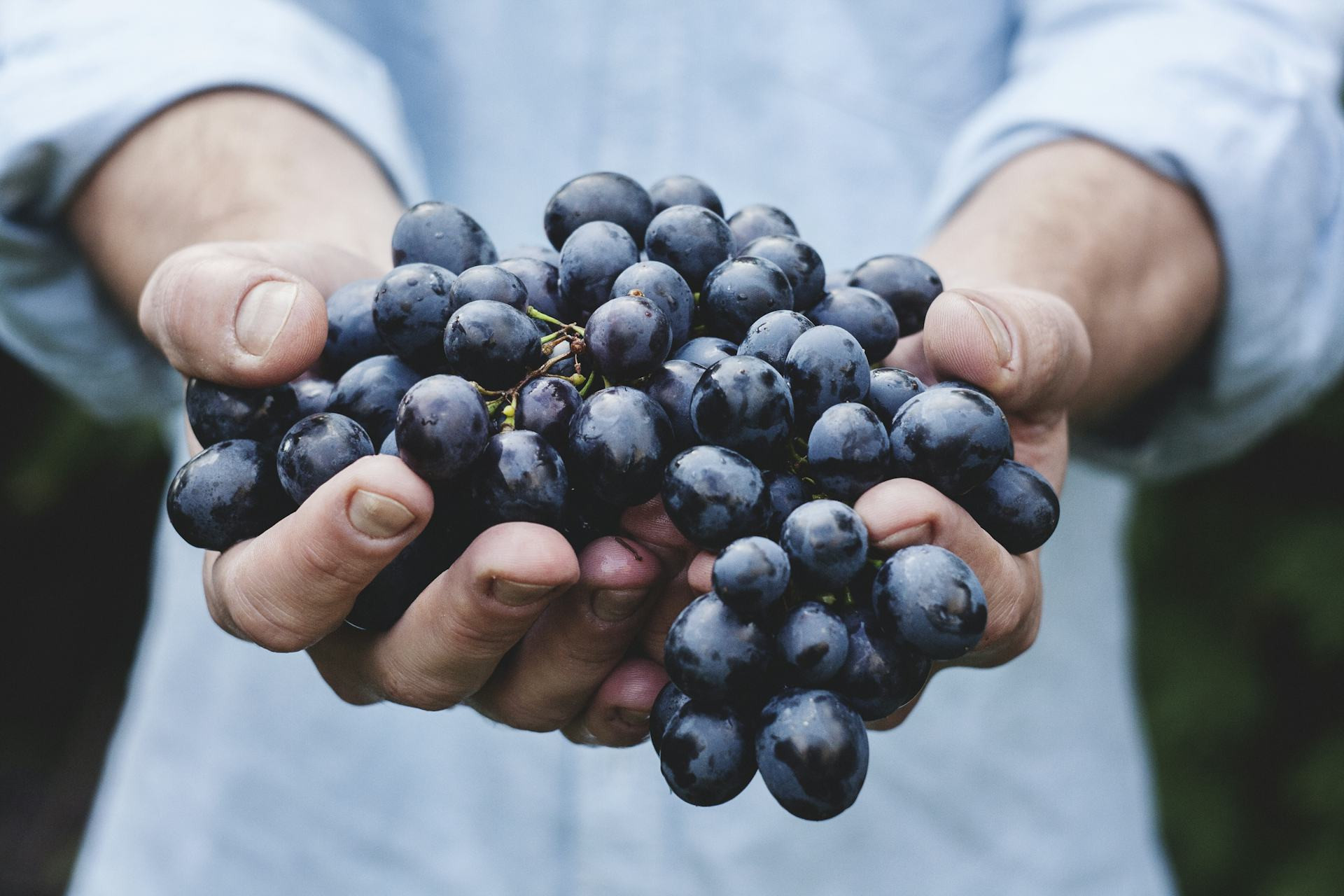
It all begins in the vineyard. Harvest marks the transition from growing to winemaking, and timing is crucial. Grapes must reach the perfect balance of sugar, acidity, and flavor compounds. In warmer regions like California’s Napa Valley, harvest often takes place early in the morning to preserve freshness, while cooler areas such as Oregon’s Willamette Valley may allow for a later harvest.
Some wineries still pick grapes by hand to ensure only the best clusters are used, while others rely on mechanical harvesters for efficiency. Either way, the goal is to bring the fruit to the winery quickly and in pristine condition.
Læs også:
Destemming and Crushing – From Clusters to Juice
Once harvested, the grapes are transported to the winery and processed without delay. The stems are removed, and the grapes are gently crushed to release their juice. The resulting mixture of juice, skins, and seeds is called “must.”
For white wines, the skins are usually separated right away so the juice can ferment without extracting color or tannins. For red wines, the skins remain in contact with the juice during fermentation, providing the deep color, structure, and complexity that define red wine.
Fermentation – Turning Sugar into Alcohol
Fermentation is where the magic happens. Yeast converts the natural sugars in the grape juice into alcohol and carbon dioxide. This can occur spontaneously with wild yeasts present on the grapes and in the winery, or winemakers may add selected yeast strains to guide the process and achieve specific flavor profiles.
Temperature control is key: white wines typically ferment at cooler temperatures to preserve delicate fruit aromas, while red wines ferment warmer to extract more color and tannin. Depending on the style, fermentation can last from a few days to several weeks.
Pressing and Clarification – Separating Wine from Solids
After fermentation, the wine must be separated from the solids. For red wines, pressing happens after fermentation; for white wines, it usually occurs before. The young wine still contains tiny particles and yeast cells, which are removed through clarification. This can be done naturally by settling, or with filtration and fining agents.
This step ensures a clean, stable wine that can age gracefully and develop its full potential.
Aging – Time, Oak, and Patience
Once clarified, the wine is ready to rest and mature. Aging can take place in stainless steel tanks, concrete vessels, or oak barrels—each method imparting its own character. Stainless steel preserves freshness and fruitiness, while oak adds complexity, spice, and a smoother texture.
Some wines are bottled after just a few months, while others age for years. During this time, flavors integrate, tannins soften, and the wine gains depth and balance. In the U.S., many winemakers experiment with both American and French oak to achieve their desired style.
Bottling and Bottle Aging
When the winemaker decides the wine is ready, it’s bottled. Some wines are meant to be enjoyed young and vibrant, while others benefit from additional aging in the bottle. Even after bottling, subtle changes continue as the wine evolves.
The choice of closure—natural cork, screw cap, or synthetic—depends on the wine’s style and the producer’s philosophy. Cork allows a small amount of oxygen exchange, ideal for wines that age, while screw caps preserve freshness and consistency.
From Cellar to Glass – The Journey Completed
When you finally open a bottle, you’re tasting the culmination of months or even years of careful work. Every sip tells a story of soil, climate, and human dedication. Winemaking is both tradition and innovation—a balance between respecting nature’s rhythm and refining it through skill and patience.
Whether you prefer a crisp Chardonnay, a bold Cabernet Sauvignon, or a sparkling wine from California or New York, it all begins with a humble grape and a winemaker’s passion to transform it into something extraordinary.
Læs også: