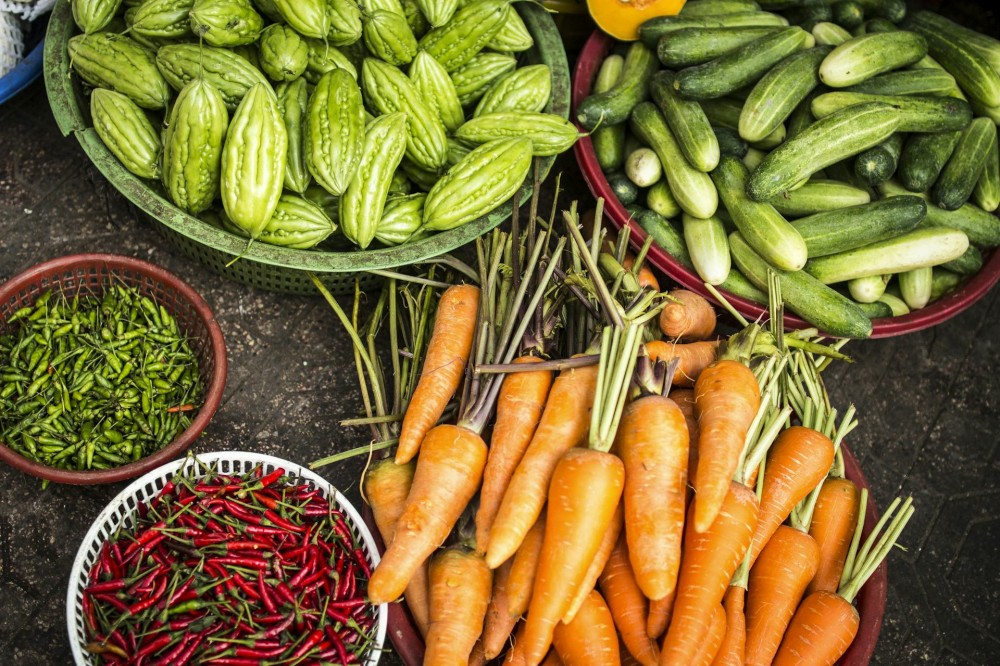
Eat Seasonally – Fruits and Vegetables for Variety and Nutritional Balance

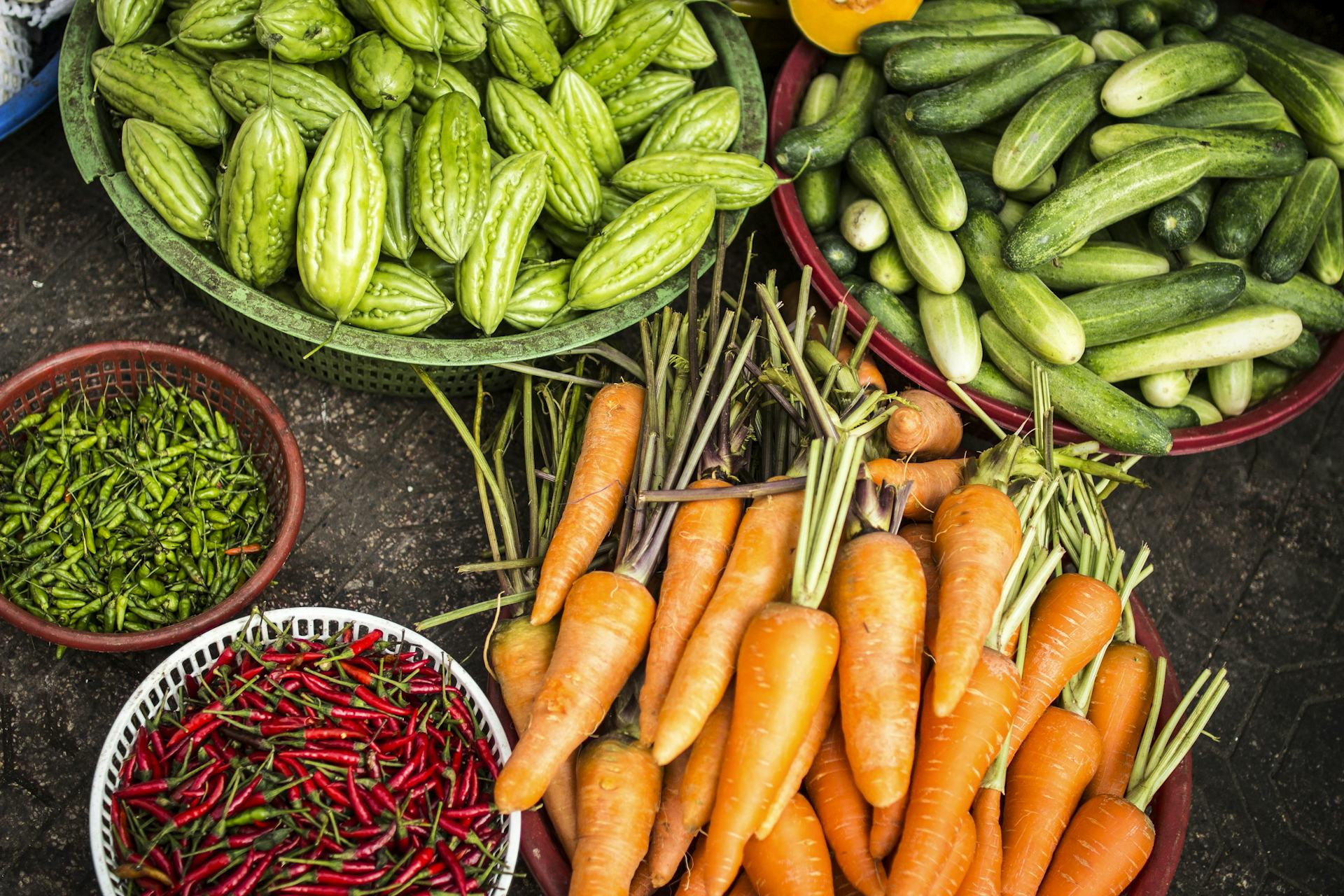
Eat Seasonally – Fruits and Vegetables for Variety and Nutritional Balance
Eating seasonally isn’t just about flavor – it’s about health, sustainability, and variety. When you choose fruits and vegetables that are in season, you get produce that’s fresher, more flavorful, and often more nutritious. It’s also a way to support local farmers, reduce your environmental footprint, and enjoy a natural rhythm in your meals throughout the year. Here’s why and how to eat seasonally in the United States – and what you’ll gain from it.
Why Eat Seasonally?
When fruits and vegetables are grown and harvested in their natural season, they develop under ideal conditions. That means they often contain more vitamins, minerals, and antioxidants, and their taste is at its peak. Seasonal eating also helps reduce the need for long-distance transportation or energy-intensive greenhouses, making it a more sustainable choice.
There’s an economic benefit too: seasonal produce is usually more affordable because it’s abundant. And by following the seasons, you naturally add variety to your diet – enjoying different colors, textures, and flavors as the year unfolds.
Spring: Fresh and Green
Spring brings renewal and the first tender crops after winter. It’s a time for light, crisp, and refreshing foods.
- Asparagus – tender and flavorful, perfect roasted or tossed into salads.
- Spinach and kale – rich in iron and vitamin C, great for smoothies or sautés.
- Radishes and green onions – add crunch and zest to spring dishes.
- Strawberries – the first sweet fruit of the season, delicious fresh or in desserts.
Spring is the season to refresh your meals with greens and bright flavors that energize after the colder months.
Summer: Color, Sweetness, and Abundance
Summer is the height of the growing season across the U.S. Farmers’ markets overflow with vibrant produce and juicy fruits.
- Tomatoes, cucumbers, and bell peppers – ideal for salads, salsas, and grilling.
- Berries – blueberries, raspberries, blackberries – packed with antioxidants and natural sweetness.
- Sweet corn and zucchini – summer staples that shine on the grill or in simple sautés.
- Herbs like basil and mint – add freshness to everything from pasta to lemonade.
Summer is the time to celebrate abundance – think colorful salads, chilled soups, and fruit-filled desserts.
Læs også:



Fall: Warmth and Comfort
As the weather cools, heartier produce takes center stage. Fall is all about warmth, depth, and comfort.
- Pumpkins and winter squash – rich in fiber and beta-carotene, perfect for soups and roasting.
- Apples and pears – crisp, sweet, and versatile for both savory and sweet dishes.
- Brussels sprouts, cabbage, and cauliflower – nutrient-dense and great for roasting or sautéing.
- Mushrooms – add earthy flavor and umami to fall meals.
Fall invites cozy cooking – think roasted vegetables, stews, and baked fruit desserts that fill the kitchen with warmth.
Winter: Nourishment and Storage
Winter’s selection may be smaller, but it’s full of nutrition and staying power. This is the season for sturdy vegetables and citrus fruits that brighten the darker months.
- Root vegetables like carrots, beets, and parsnips – hearty, sweet, and long-lasting.
- Cabbage, leeks, and kale – resilient greens packed with vitamins.
- Citrus fruits – oranges, grapefruits, and lemons – in peak season and full of immune-boosting vitamin C.
- Apples and potatoes – easy to store and endlessly versatile.
Winter cooking is about making the most of what keeps well – nourishing soups, roasted roots, and citrusy salads that bring freshness to the table.
How to Get Started
Eating seasonally doesn’t require a complete lifestyle overhaul. Start small and build from there:
- Check seasonal produce guides – many websites and grocery stores list what’s in season in your region.
- Shop local – visit farmers’ markets or join a CSA (Community Supported Agriculture) program.
- Plan meals around the season – try one new seasonal recipe each week.
- Preserve the harvest – freeze berries, pickle cucumbers, or roast and store squash for later use.
Once you start eating with the seasons, you’ll notice how much better your food tastes – and how naturally your diet becomes more varied and balanced.
A Healthy Rhythm All Year Long
Eating seasonally is a simple way to create balance – for your body, your budget, and the planet. You’ll enjoy fresher, more flavorful food, support local growers, and stay connected to nature’s cycles. It’s not about perfection, but about awareness. When you choose fruits and vegetables that follow the seasons, you’re choosing a lifestyle that’s more sustainable, more delicious, and more in tune with the world around you.
Læs også: