Design Clothing That Combines Everyday Wear and Personal Style

Design Clothing That Combines Everyday Wear and Personal Style
Designing your own clothing isn’t just about creating something unique—it’s about blending practicality with personal expression. In a time when comfort, sustainability, and individuality matter more than ever, many Americans are looking for ways to express their style without sacrificing everyday functionality. Here’s how you can design clothing that fits seamlessly into your daily life while reflecting who you are.
Start with Purpose – What Should the Clothing Do?
Before you start sketching or sewing, think about how and where you’ll wear the piece. Is it for work, casual outings, or special occasions? A strong design begins with a clear purpose.
- For everyday wear: Choose fabrics that are comfortable, breathable, and easy to care for. Cotton, linen, and jersey are great staples for daily use.
- For work: Look for cuts and details that feel professional but still allow movement and comfort—think structured silhouettes in soft, flexible fabrics.
- For leisure: This is your chance to play with color, pattern, and creative details that show off your personality.
Once you know the purpose, it becomes easier to choose the right fabric, fit, and design direction.
Discover Your Personal Style
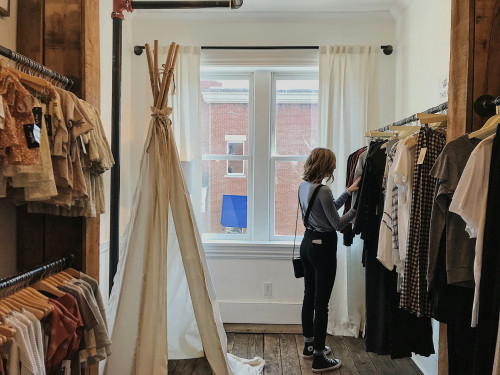
Personal style isn’t about chasing trends—it’s about finding what feels authentic to you. Start by looking at your current wardrobe: Which colors and shapes do you wear most often? What makes you feel confident and comfortable?
Create a mood board with images, textures, and colors that inspire you. It could include anything from nature-inspired tones to vintage fashion or modern architecture. This visual guide will help you stay consistent as you design.
A helpful tip is to think in signature details—small elements that repeat across your designs, like a favorite type of stitching, button, or color combination. These touches create a cohesive look that’s uniquely yours.
Læs også:

Choose Materials That Matter
The fabric you choose determines both comfort and appearance. Even the most beautiful design can fall flat if the material doesn’t feel good or hold its shape.
- Natural fibers like cotton, wool, and linen offer breathability and a timeless look.
- Blended fabrics with a bit of stretch, such as cotton-spandex or polyester blends, add durability and flexibility.
- Recycled or upcycled materials are a sustainable choice that can give your design character and a story.
Also, consider the season—lightweight fabrics for summer, cozy knits for winter. This ensures your designs are wearable year-round.
Focus on Fit
A great fit is the key to clothing you’ll actually want to wear. When designing, start with your own measurements and body shape. Small adjustments in length, waist height, or sleeve width can make a big difference.
If you’re sewing your own pieces, begin with a simple base pattern and refine it over time. You’ll learn how different cuts work for you and gradually develop your own signature fit.
Add Personal Details
It’s often the little things that make a garment special. Consider adding:
- Contrasting stitching or trim
- Embroidery or appliqué
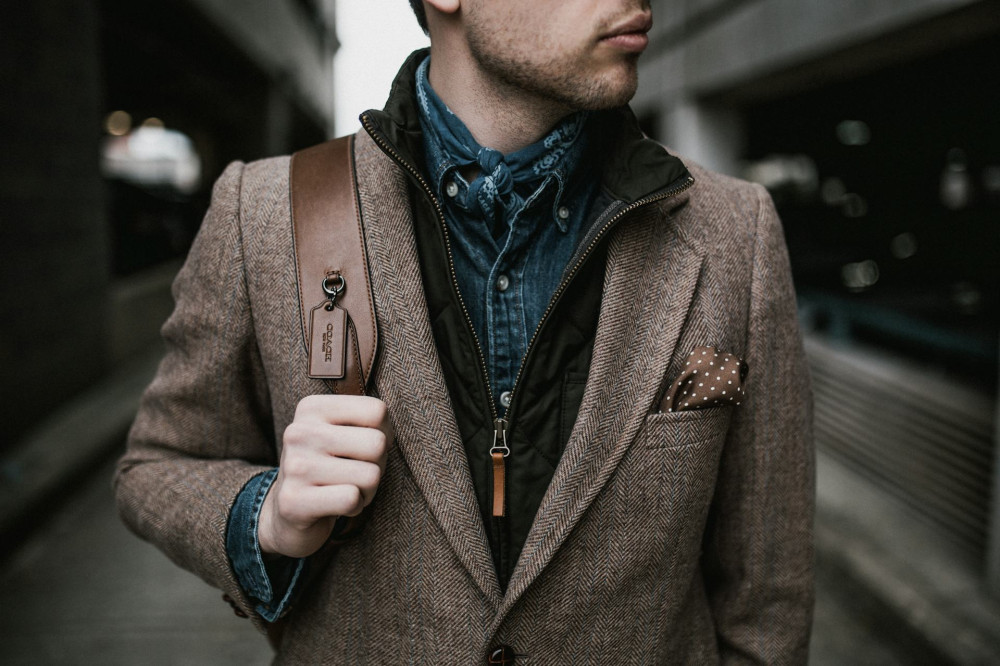
- Vintage buttons or zippers
- Functional yet decorative pockets
These details give your clothing personality and make it truly one-of-a-kind.
Design with Sustainability in Mind
Designing for everyday wear also means thinking long-term. By choosing quality materials and timeless silhouettes, you can create pieces that last for years. Try designing items that mix and match easily—this gives you more outfit options without needing a huge wardrobe.
You can also repurpose old textiles: turn a shirt into a skirt, or transform worn jeans into a tote bag. It’s both eco-friendly and creatively rewarding.
From Idea to Finished Piece
Once you have a concept, start with a sketch or a simple pattern. Make a test version in inexpensive fabric to adjust the fit before cutting into your final material. This saves time and frustration.
Take photos throughout the process—it helps you track what worked and what you’d change next time. Over time, you’ll find your process becomes more intuitive, and your personal design style will naturally evolve.
Balancing Everyday Function and Personality
The best clothing is what you feel at home in—whether you’re at work, out with friends, or relaxing at home. When you design with both function and personality in mind, you create clothing that not only looks good but feels right.
Combining everyday wear and personal style is ultimately about balance: between practicality and creativity, simplicity and self-expression. And in that balance, you’ll find the kind of clothing you’ll reach for again and again.
Læs også: